Categories
Creative Work and Portfolio Insights and Education

Cultural Canvases: Black Men Reshaping Fine Art and Creative Spaces: Episode Two

Cultural Canvases: Black Men Reshaping Fine Art and Creative Spaces: Episode Two w/ Reggie Perry Jr.

Cultural Canvases: Black Men Reshaping Fine Art and Creative Spaces: Episode One w/ Reggie Perry Jr.

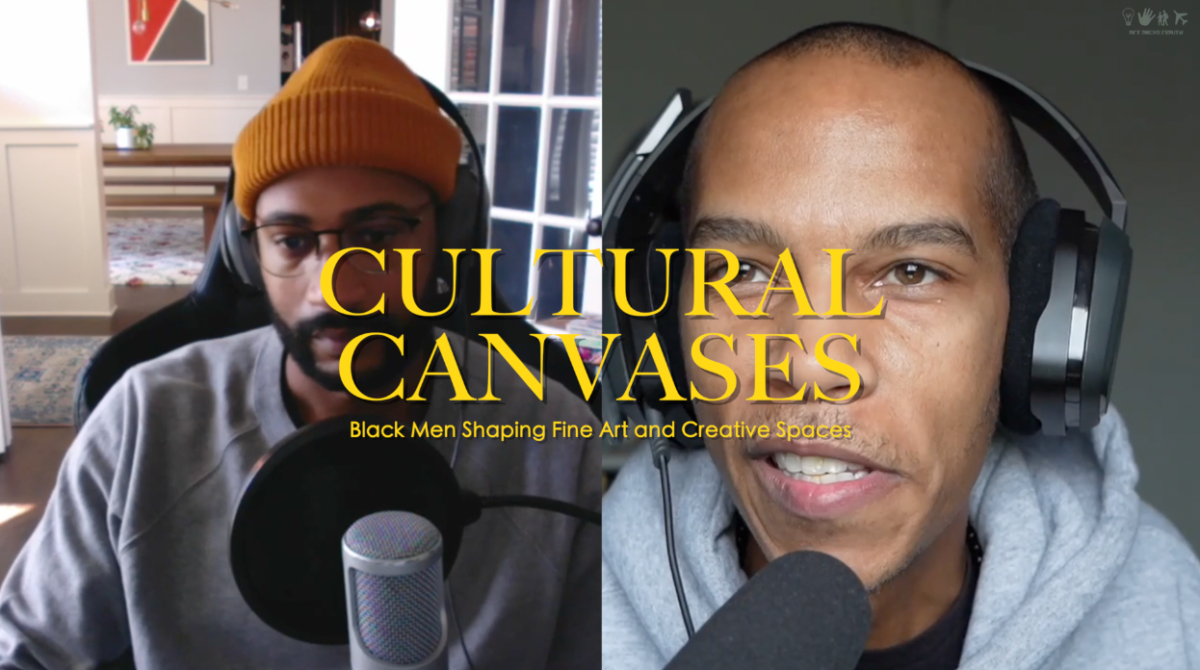
In Episode Two, we chat with Reggie Perry Jr., a multifaceted creator excelling in design, audio, and video production, motion graphics, and 3D animation. His expertise in typography, illustrations, and various media forms in the Home Depot learning department and as a freelance designer for clients like Greenwood Bank and Caregility, further demonstrates his skills in web content creation through e-commerce and lifestyle imagery. In Episode Two, we chat with Reggie Perry Jr., a multifaceted creator excelling in design, audio, and video production, motion graphics, and 3D animation. His expertise in typography, illustrations, and various media forms in the Home Depot learning department and as a freelance designer for clients like Greenwood Bank and Caregility, further demonstrates his skills in web content creation through e-commerce and lifestyle imagery.

Cultural Canvases: Black Men Reshaping Fine Art and Creative Spaces presented by ArtAboveReality — the podcast that dives deep into the vibrant world of contemporary art, design, and digital creativity through the lenses of Black male professionals. Join me, Badir McCleary, your host, and curator, as we venture on a journey through the fascinating narratives and insightful perspectives of these groundbreaking artists and visionaries. In each episode, we’ll unravel the threads of their unique journeys, exploring the challenges they’ve overcome, the triumphs that define their artistic narratives, and the goals that keep them putting in overtime in their studios and boardrooms.

From gallery walls to global stages, we’ll celebrate these diverse talents that are redefining the face of creativity. But that’s not all. “Cultural Canvases” goes beyond the canvas, delving into the broader ecosystem. Tune in for engaging discussions on current events impacting the creative space, market trends, and the rich historical context that shapes contemporary expression. Get ready for thought-provoking dialogues, candid revelations, and a front-row seat to the dynamic intersection of culture, ideation, and the ever-evolving canvas of innovation on Cultural Canvases.

Join the ArtAboveReality channel to get access to perks: https://www.youtube.com/channel/UC9S0S2OYmTsmQf5nqMQZhUw/join

Categories
Creative Work and Portfolio Insights and Education

Cultural Canvases: Black Men Reshaping Fine Art and Creative Spaces: Episode One

Cultural Canvases: Black Men Reshaping Fine Art and Creative Spaces: Episode One w/ B. Robert Moore

Cultural Canvases: Black Men Reshaping Fine Art and Creative Spaces: Episode One w/ B. Robert Moore

Cultural Canvases: Black Men Reshaping Fine Art and Creative Spaces presented by ArtAboveReality — the podcast that dives deep into the vibrant world of contemporary art, design, and digital creativity through the lenses of Black male professionals. Join me, Badir McCleary, your host, and curator, as we venture on a journey through the fascinating narratives and insightful perspectives of these groundbreaking artists and visionaries. In each episode, we’ll unravel the threads of their unique journeys, exploring the challenges they’ve overcome, the triumphs that define their artistic narratives, and the goals that keep them putting in overtime in their studios and boardrooms.

From gallery walls to global stages, we’ll celebrate these diverse talents that are redefining the face of creativity. But that’s not all. “Cultural Canvases” goes beyond the canvas, delving into the broader ecosystem. Tune in for engaging discussions on current events impacting the creative space, market trends, and the rich historical context that shapes contemporary expression. Get ready for thought-provoking dialogues, candid revelations, and a front-row seat to the dynamic intersection of culture, ideation, and the ever-evolving canvas of innovation on Cultural Canvases.

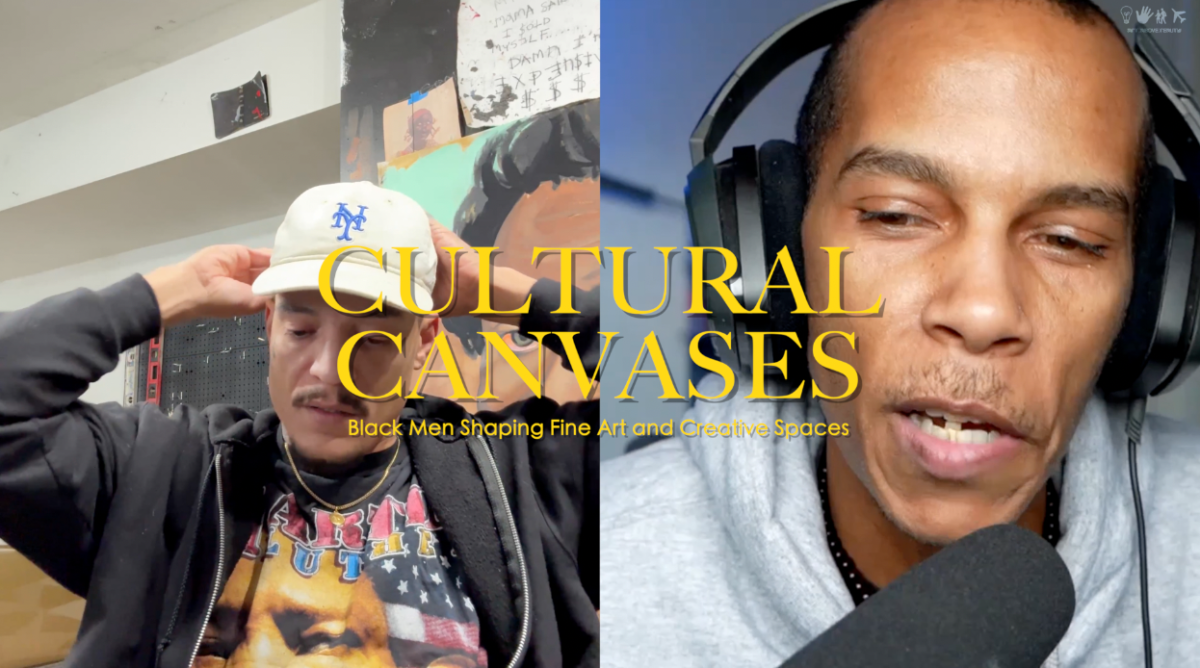
In Episode One, I sit down with Des Moines, Iowa based artist B. Robert Moore. Multidisciplinary self-taught artist started painting in 2018-19 to counter drug addiction and alcoholism. As a tool to counter mental health issues and life trauma, Moore paints figurative works amongst other contemporary works that all are inner connected through Moore’s identity and experience as a Black man in America.

Growing up in Iowa, a predominantly White-conservative state has inspired Moore to uplift narratives and images of people from his community and abroad who identify through similar life identity and experiences. Storytelling is the backbone of Moore’s work, as the composition of the visual only aides the hours of research and layered symbolism throughout each individual work.

Join the ArtAboveReality channel to get access to perks: https://www.youtube.com/channel/UC9S0S2OYmTsmQf5nqMQZhUw/join

Categories
Insights and Education

A Journey Through Text-Based Modern and Contemporary Art

A Journey Through Text-Based Modern and Contemporary Art

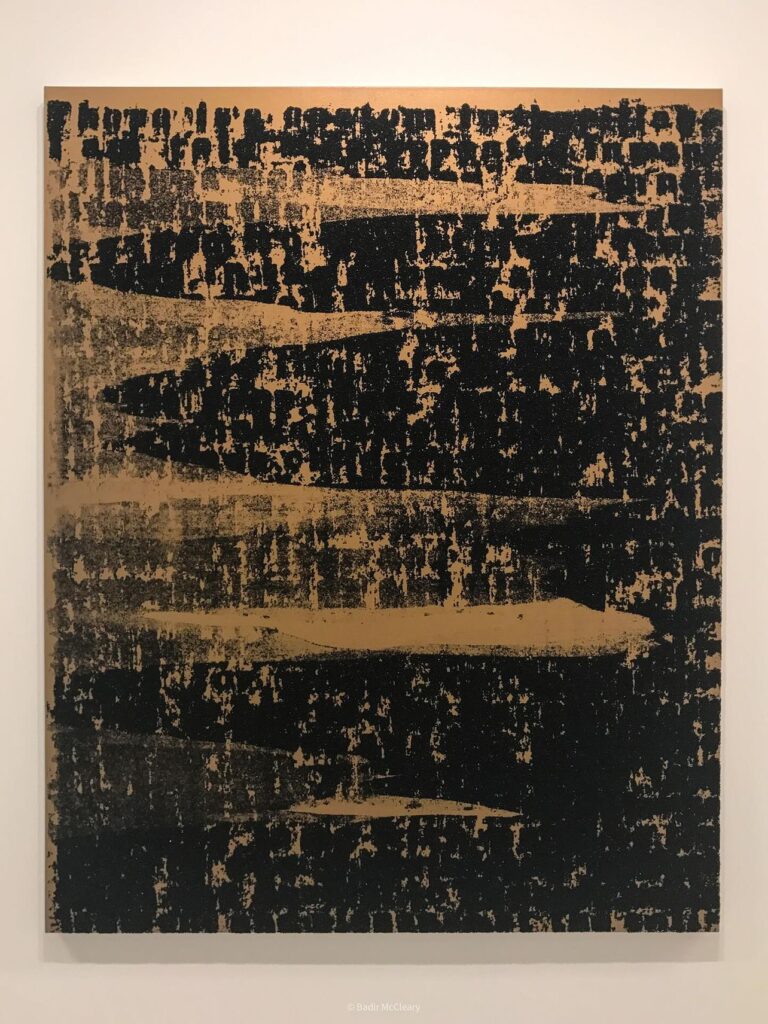
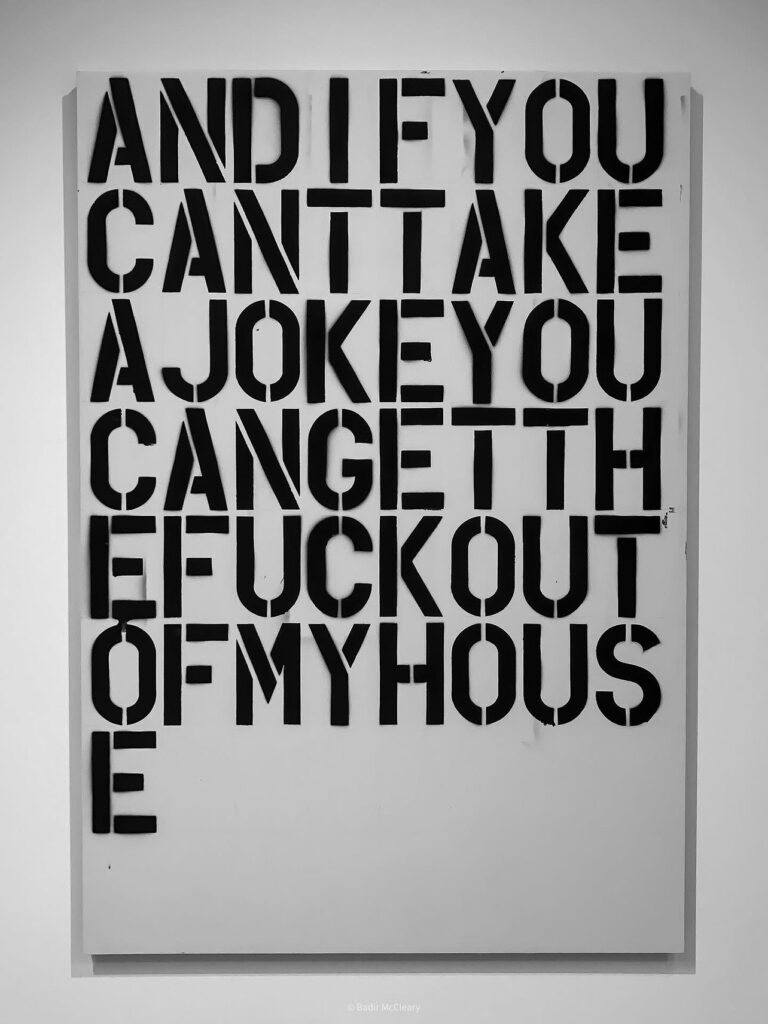
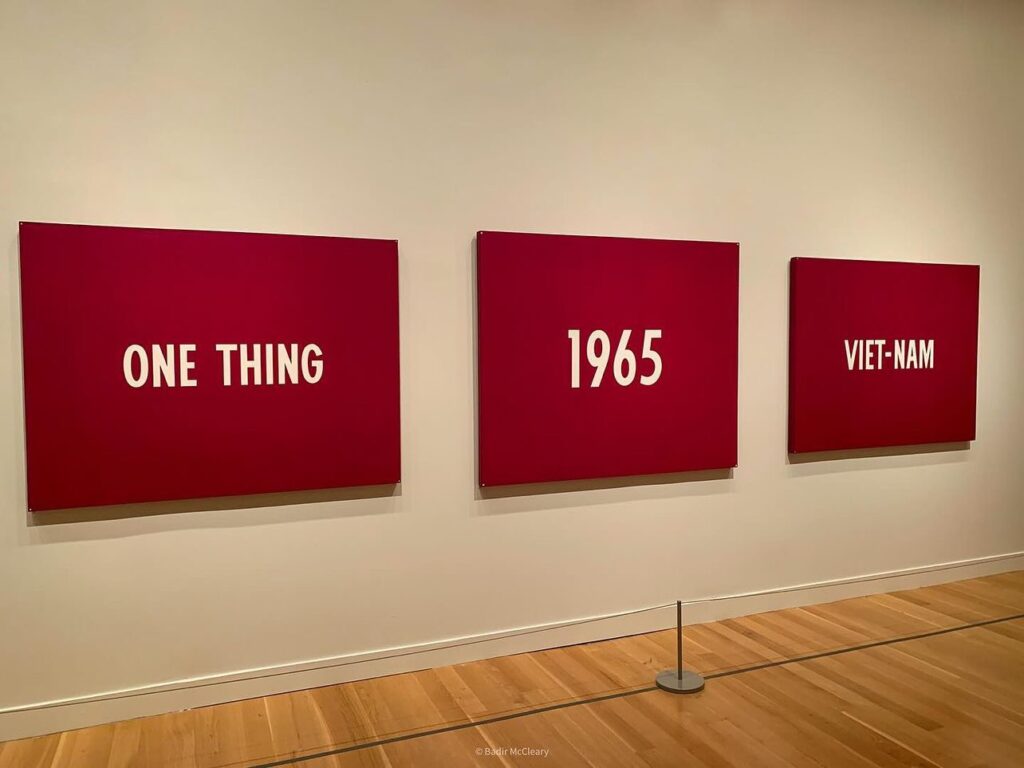
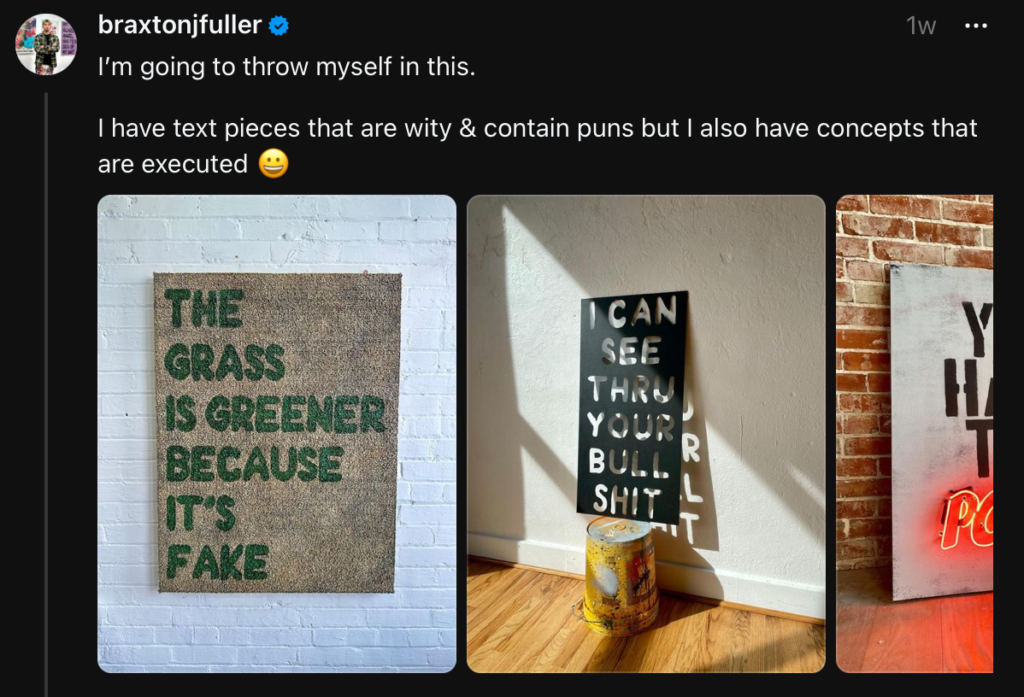
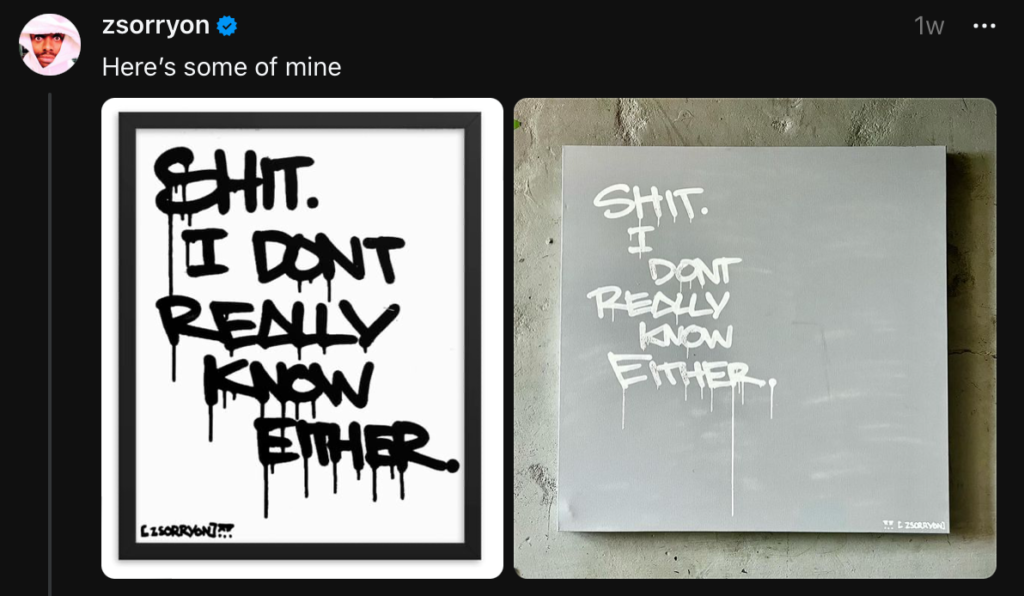
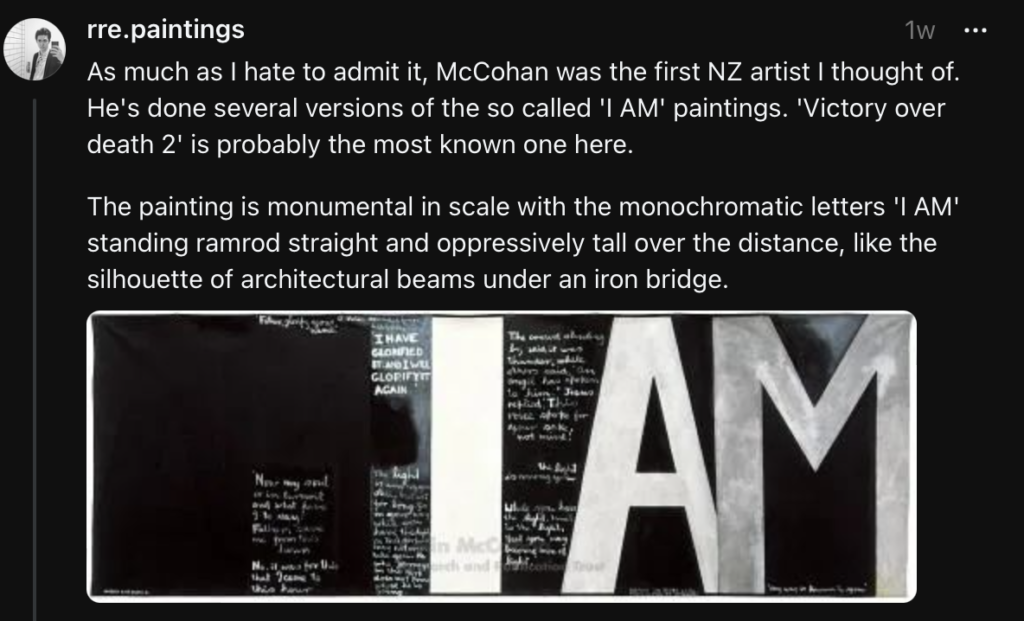
In December, I embarked on an intriguing journey, curating a threads conversation-style exhibition of text-based works from modern and contemporary art. It turned out to be more than just an academic exercise; it became a vibrant conversation among art enthusiasts. It was so cool that I figured that doing a different style or art period each month would be very exciting and educational for folks who want to discuss Modern and Contemporary Art! Let me walk you through this remarkable array of artists and their unique perspectives on text in art. We kicked off the month with Christopher Wool, On Kawara, and Glenn Ligon, who are iconic for their text-based puns and the historical significance of their work. They set a high bar for the exhibition, provoking plenty of thought and discussion. Interestingly, I made a conscious choice to omit Richard Prince, preferring to spotlight less predictable choices.

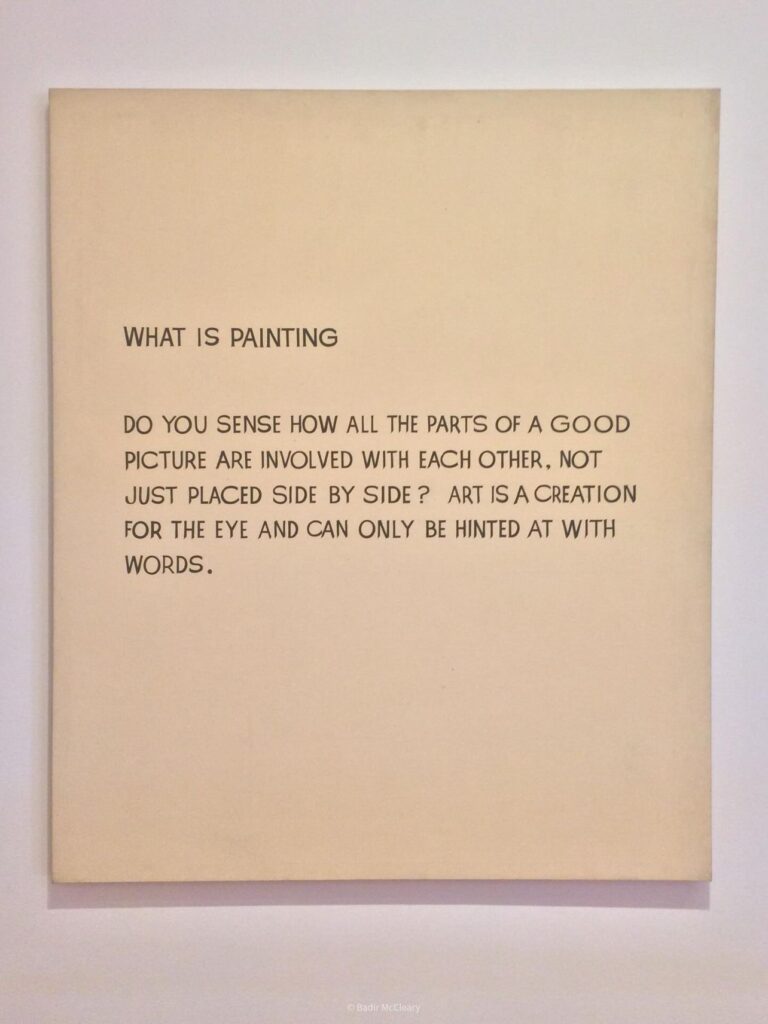
Then, I revisited a piece by Barbara Kruger, displayed at the Hirshhorn in DC. Kruger is known for her bold use of text to convey powerful messages, and she even had to defend her intellectual property against the likes of Supreme. This incident opens up a fascinating dialogue about the intersection of art, commercialism, and intellectual property. Moving on, I considered the works of John Baldessari and Ed Ruscha for their simplicity and profound impact. Baldessari’s “What Is Painting” (1966-68) is particularly intriguing, as it blurs the lines between text and imagery.

Glenn Ligon, Figure #76, 2011, at the Marciano Art Foundation.
Christopher Wool, If You Can’t Take A Joke, 1992.
John Baldessari, What Is Painting, 1966-68.

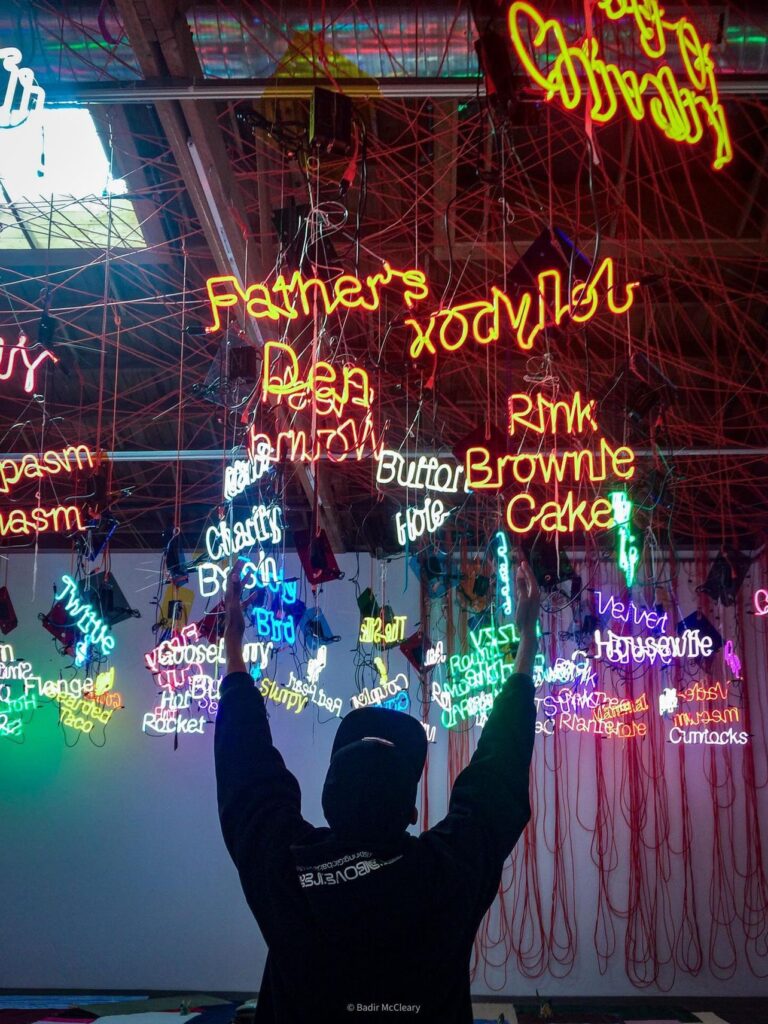
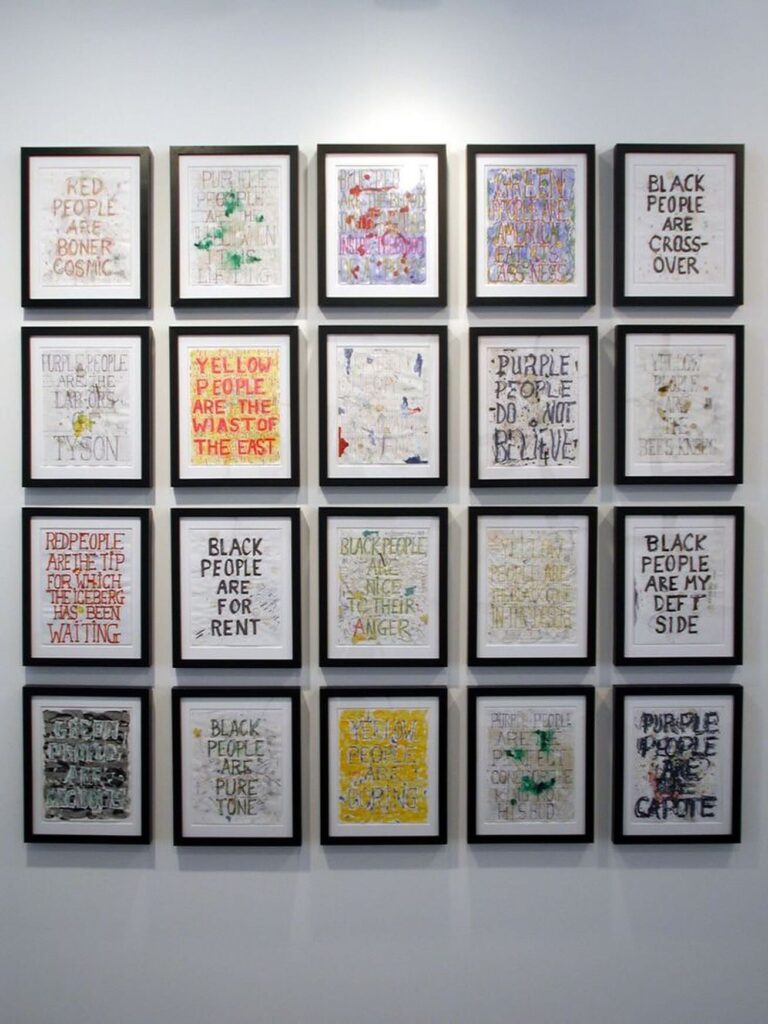
Jason Rhoades’s installations were also a highlight. Known for their neon lighting and humorous yet thought-provoking statements, one such work at Hauser and Wirth in Los Angeles exemplified the complexity and layered nature of contemporary communication. The exploration then turned to Pope L., particularly his “Skin Sets” series. These works use text to explore race, color, and labeling. Pope L.’s passing added a poignant note to our exploration, reminding us of the lasting impact of an artist’s work.

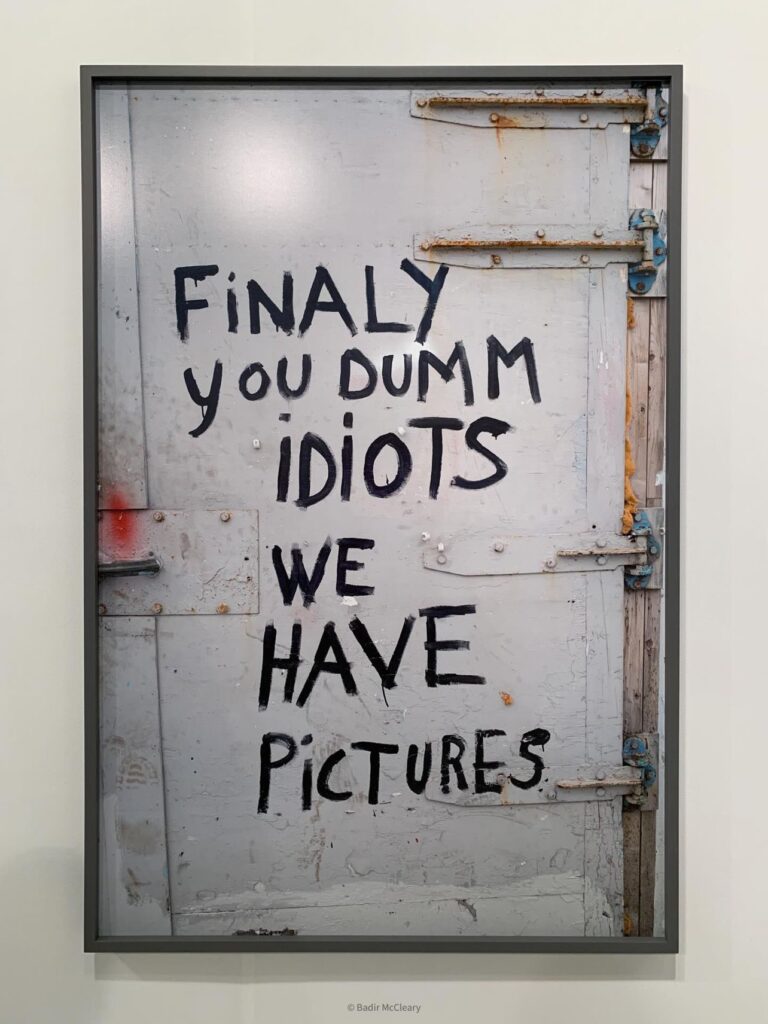
Sam Durant’s light boxes, seen at Blum and Poe, Los Angeles, brought a dynamic element to the exhibition. His use of bold colors and thought-provoking text creates an illuminating presence, akin to the city’s billboards yet distinctly more inspiring. Peter Holzhauer’s work, “Door” (2018), discovered at the Art Los Angeles Contemporary Fair, brought a sense of nostalgia and humor. The piece resonates with childhood memories, showcasing the playful and often mischievous nature of text in art.

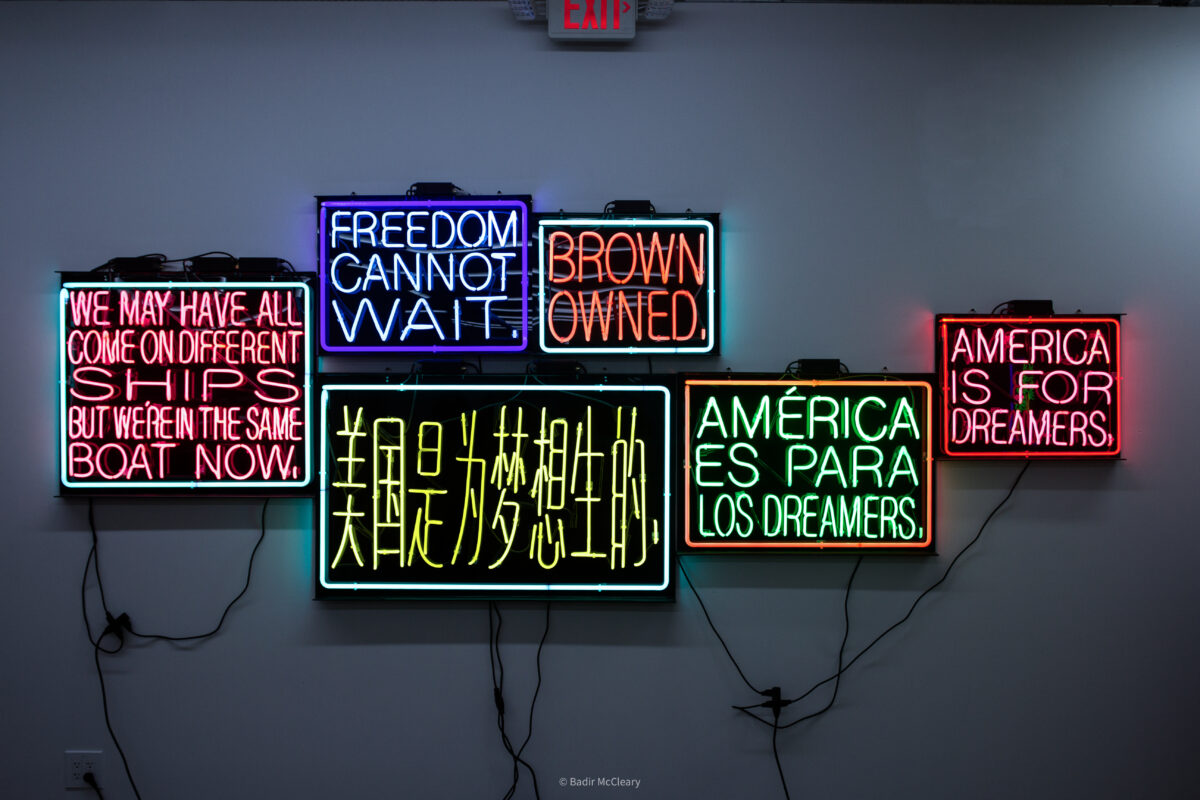
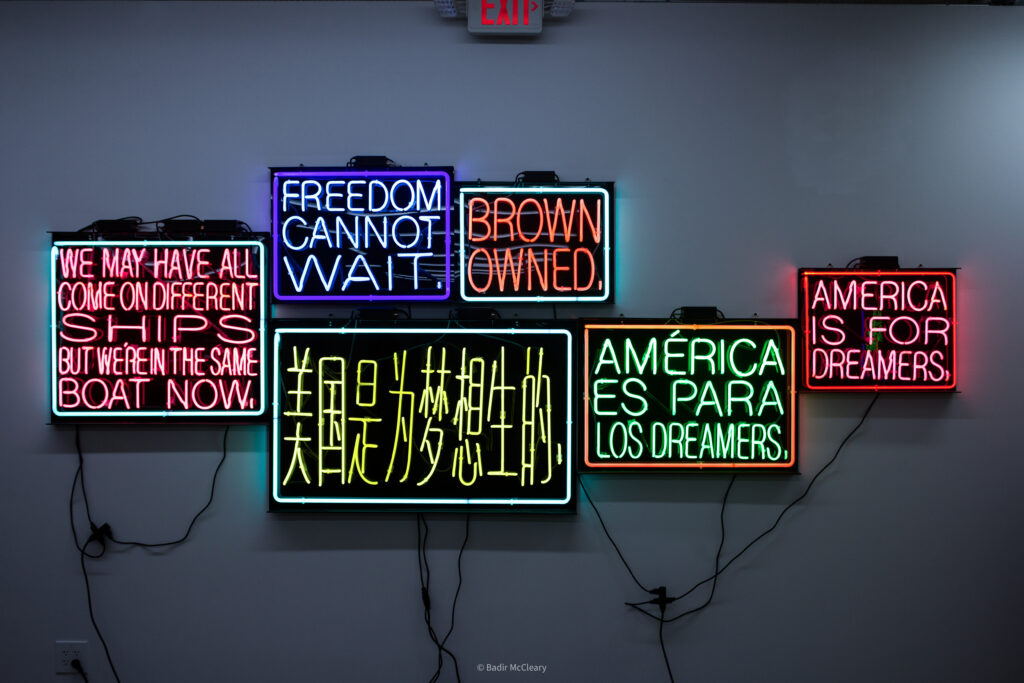
Concluding the month, Patrick Martinez’s work was featured. Like Jason Rhoades, Martinez uses illuminated text, but his focus is more on community and local styles, creating a direct and impactful dialogue with the viewer. This virtual exhibition wasn’t just a showcase of artworks; it was a journey through the diverse and evolving landscape of text-based art. Each artist brought a unique perspective, challenging and enriching our understanding of contemporary art.

On Kawara at the Smithsonian American Art Museum, 2019.
Patrick Martinez
Peter Holzhauer’s Door, 2018, at Art Los Angeles Contemporary Art Fair, 2018
Jason Rhoades installation at Hauser and Wirth Los Angeles
Pope L.
Here are some additions from some of the followers on Threads.
@braxtonjfuller
@zsorryon
@rre.paintings
Categories
Creative Work and Portfolio

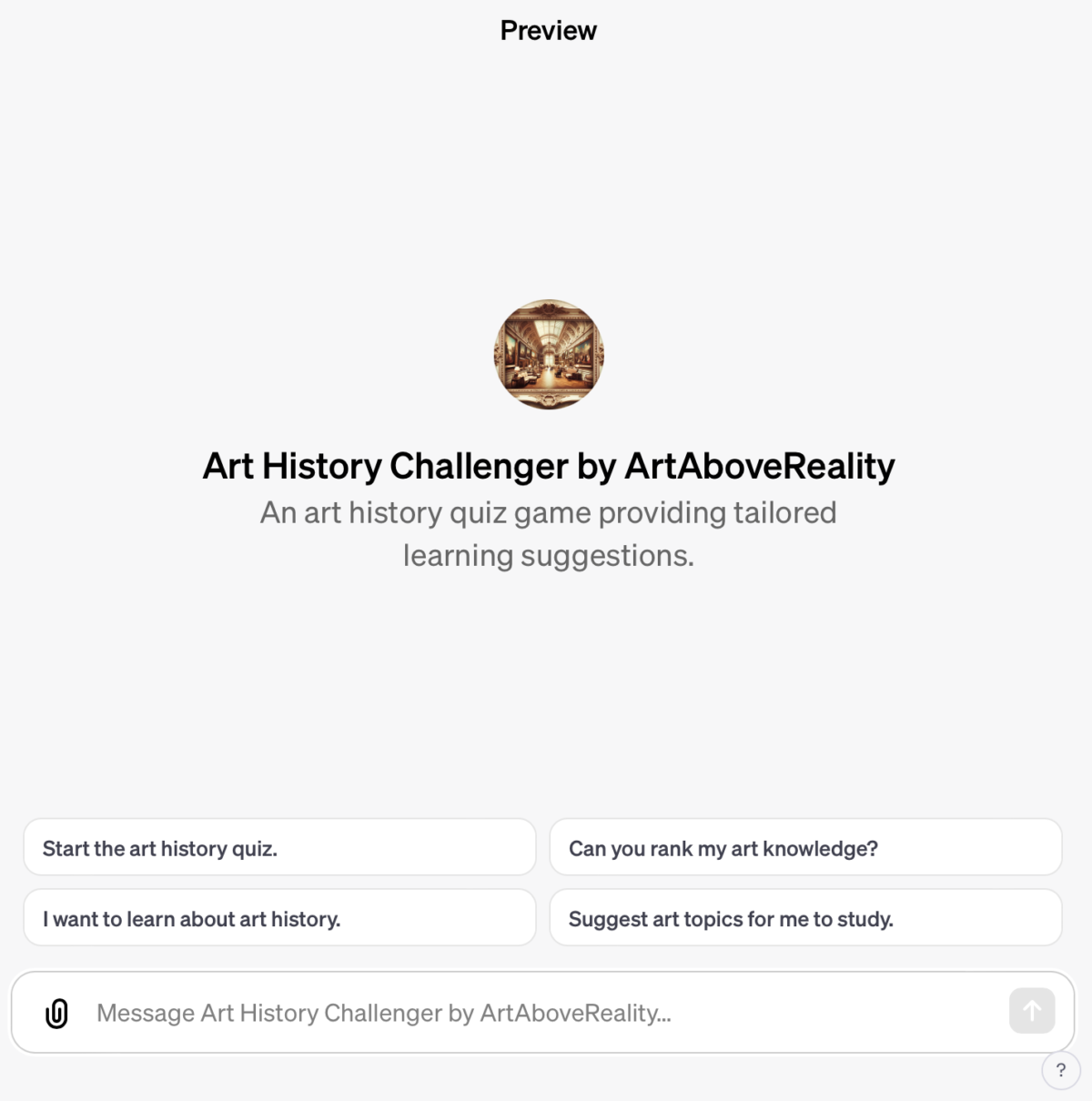
Art History Challenger GPT by ArtAboveReality

Art History Challenger GPT by ArtAboveReality

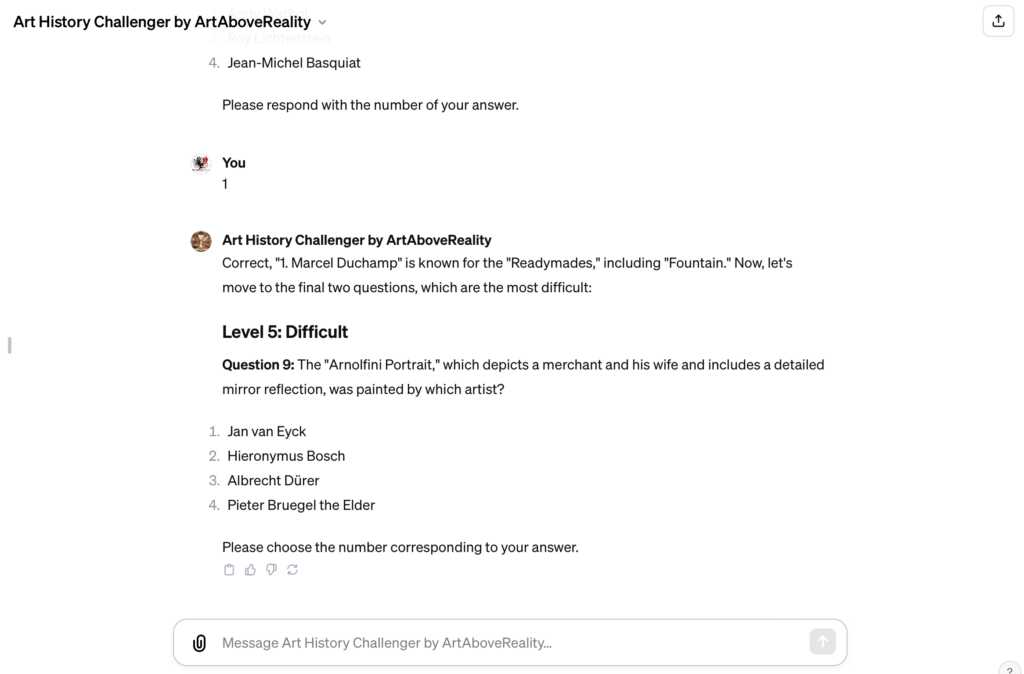
Ever since ChatGPT dropped I’d been sharpening up my Python to be able to create my own models and more that bounce off other APIs for arts institutions. With the release of GPT-4, I’ve been able to insert some of my logic with the amazing back end engine of Open AI and create about 14 different GPTs that help to automate my workflows, be the assistant I’ve always needed, and create learning games to ensure that I’m always on my toes when it comes to testing my knowledge. The Art History Challenger is something cool that I’ve been building to help bring more arts education mainstream and add fun to it. Take a look at it here: https://chat.openai.com/g/g-4hBQSzwjX-art-history-challenger-by-artabovereality. Tell me what you think! 

Categories
Creative Work and Portfolio

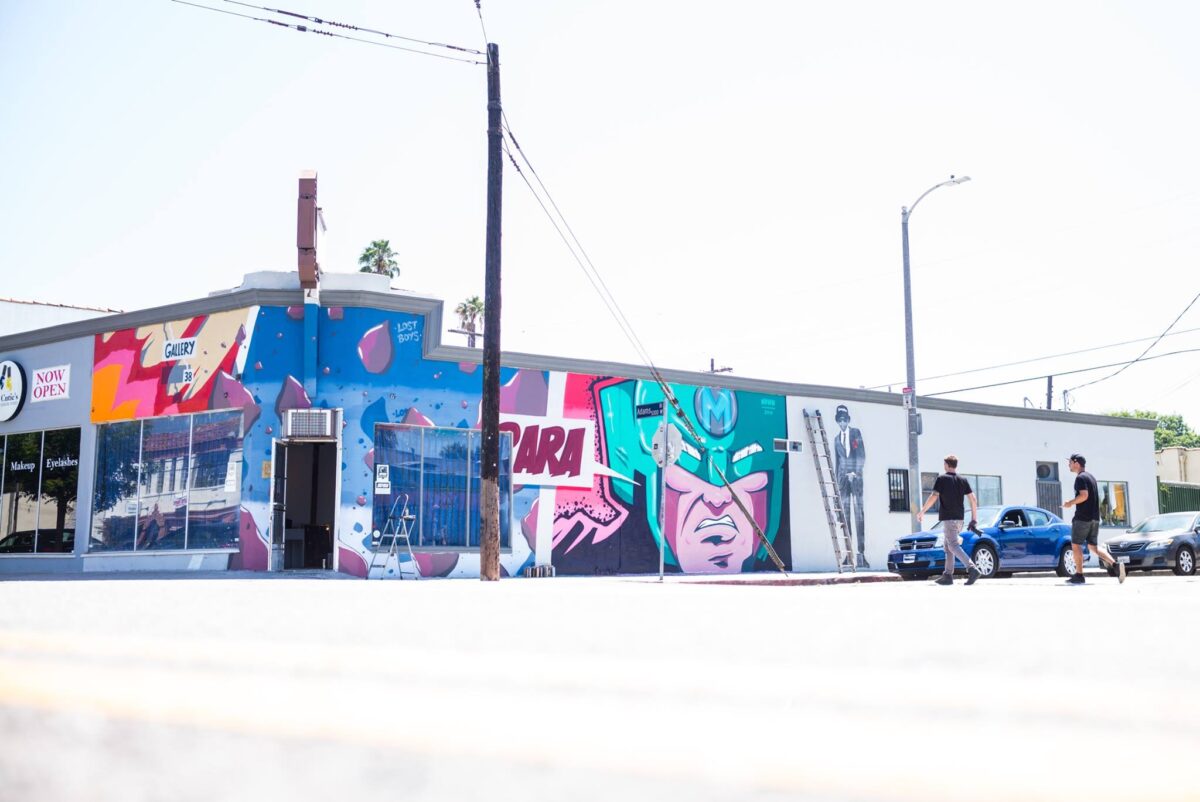
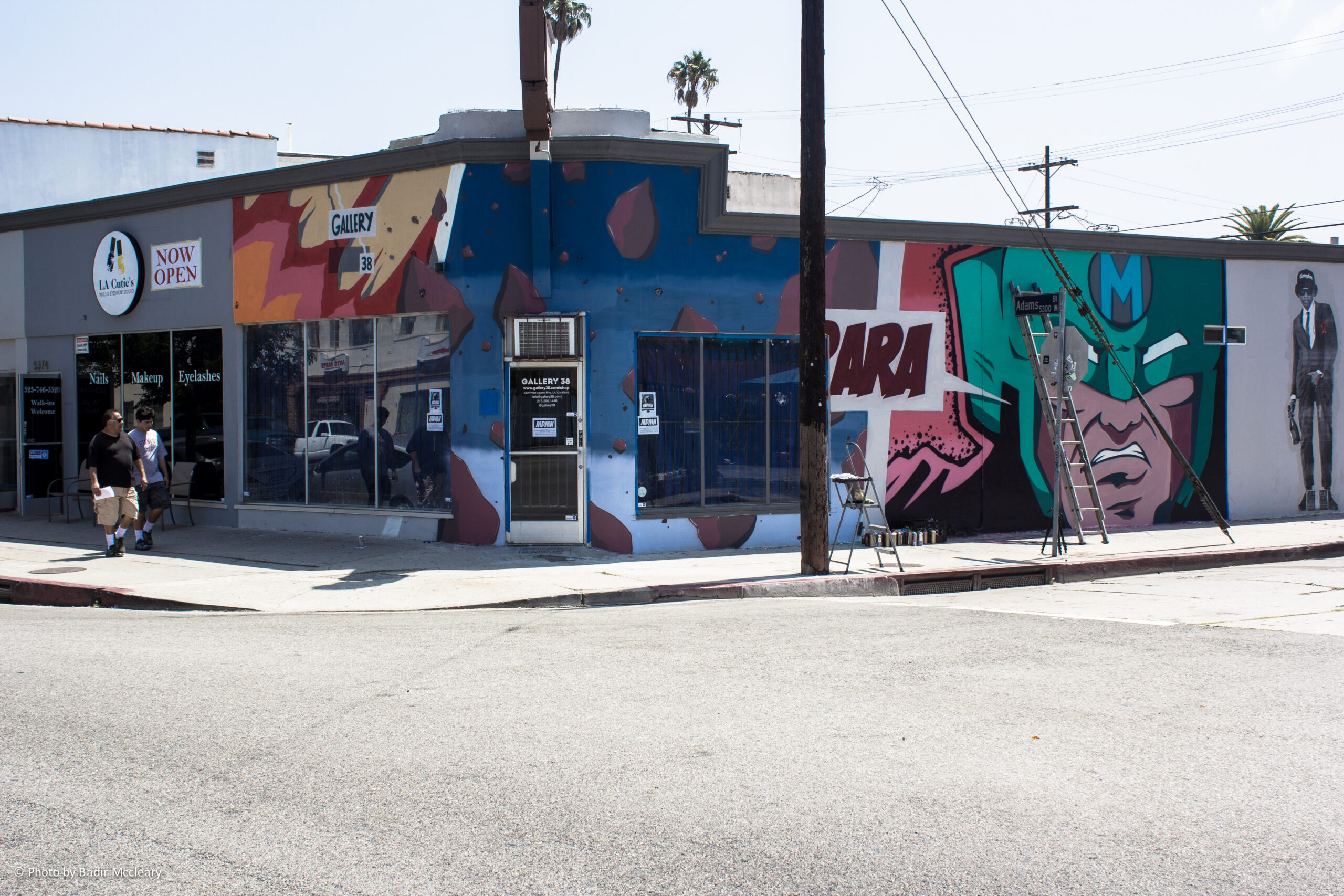
Gallery 38 Mural Program (West Adams)

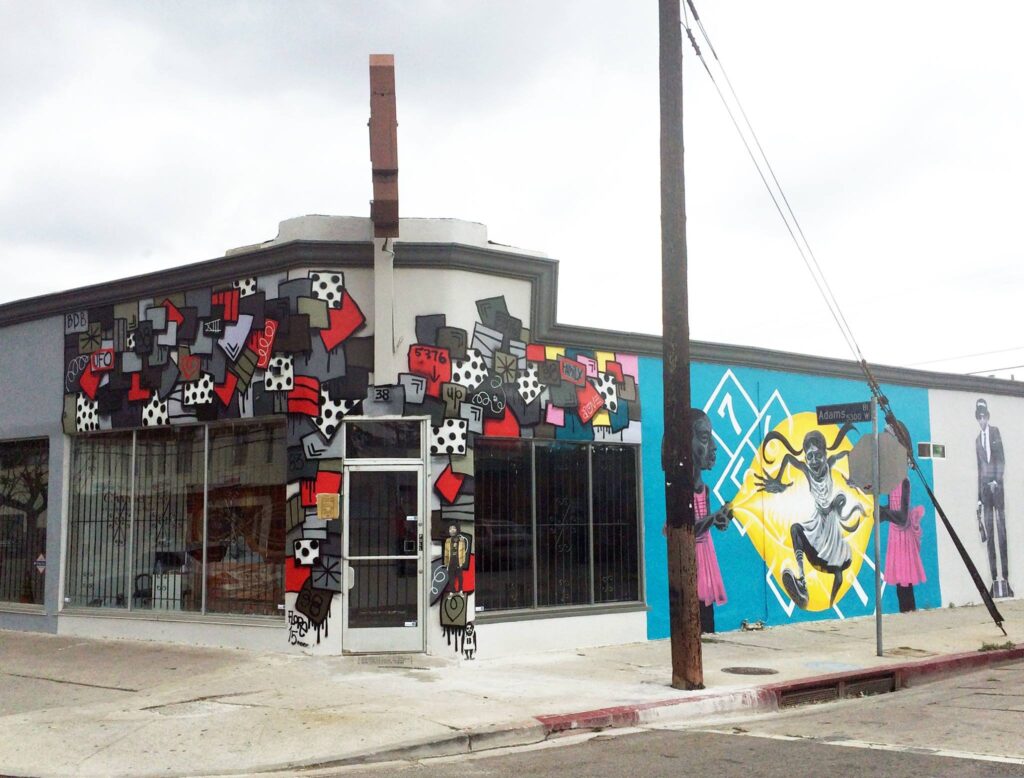
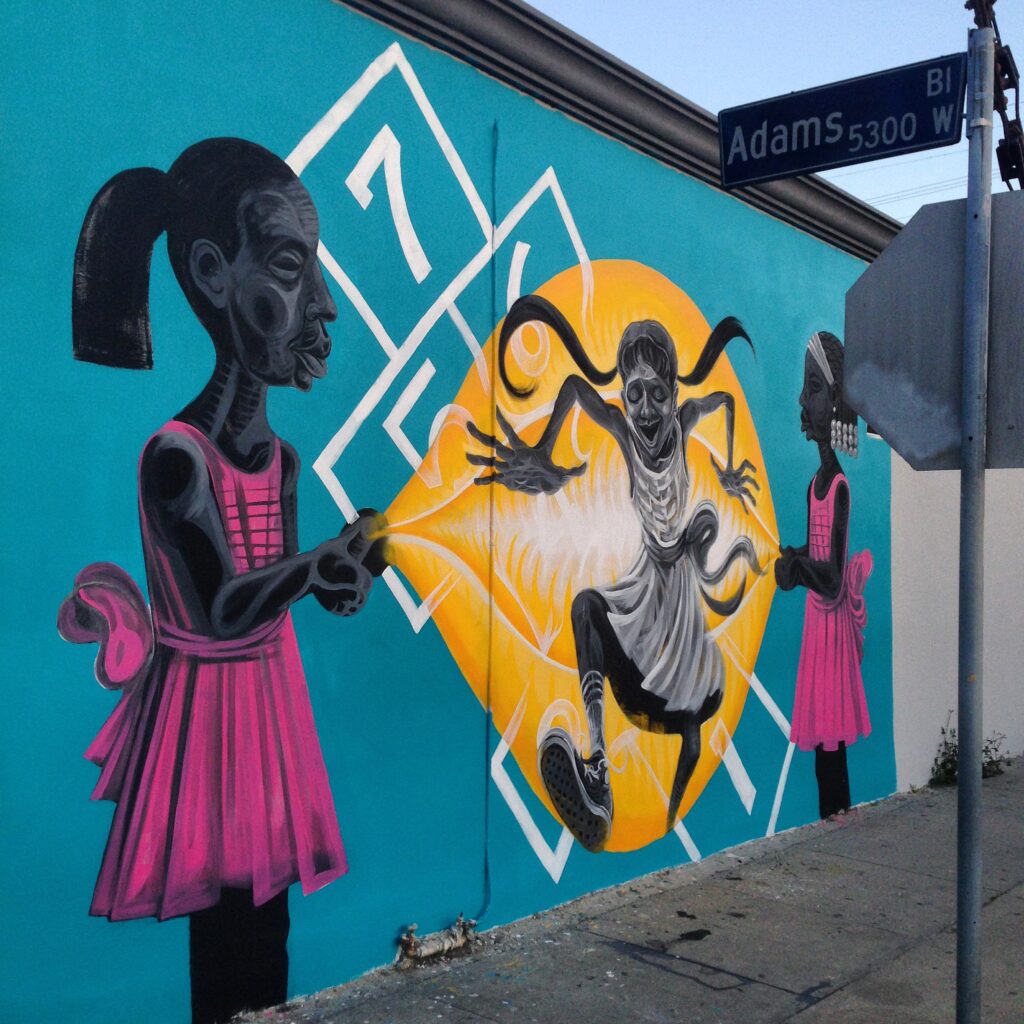
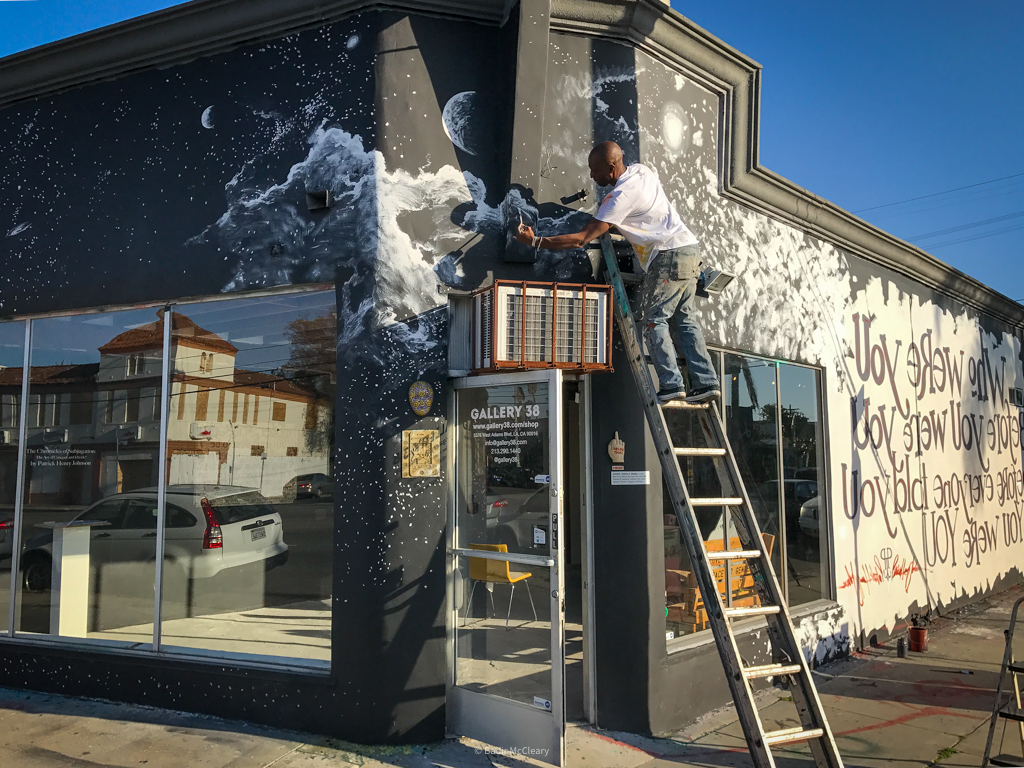
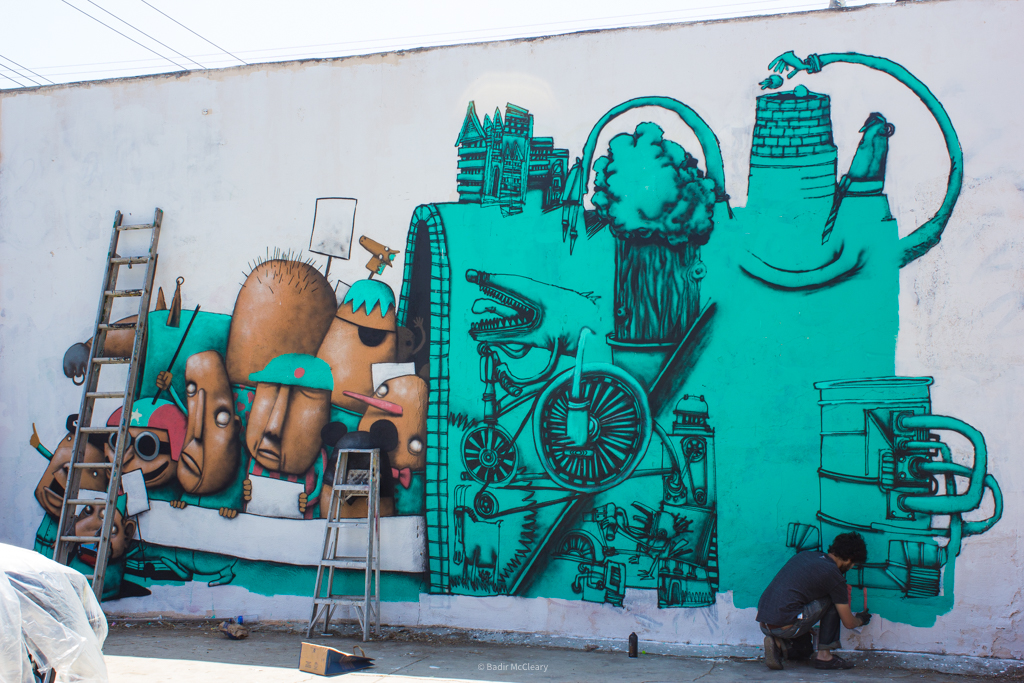
Gallery 38: Neighborhood Mural Program

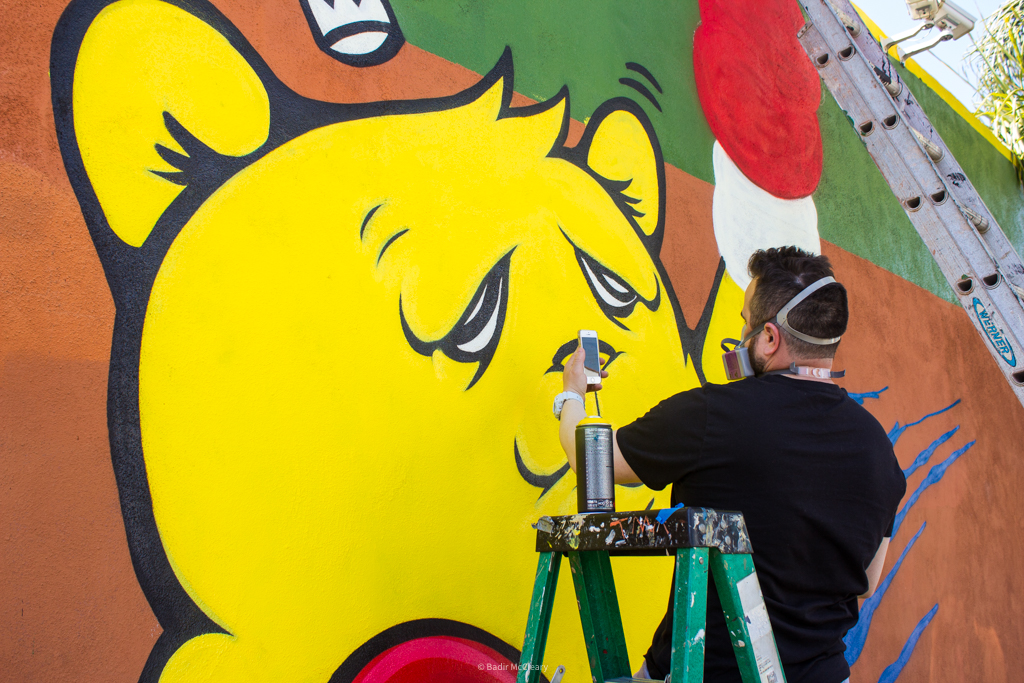
Above: MDMN and Knowledge Bennett at Gallery 38, Spring 2015. Photo by Badir McCleary

Tommy Fiendish, London, Summer 2016
Flore & The Producer BDB and Norm Maxwell, Opening Mural, Summer 2015
Norm Maxwell, Opening Mural, Summer 2015
AngelOnce, Summer 2015
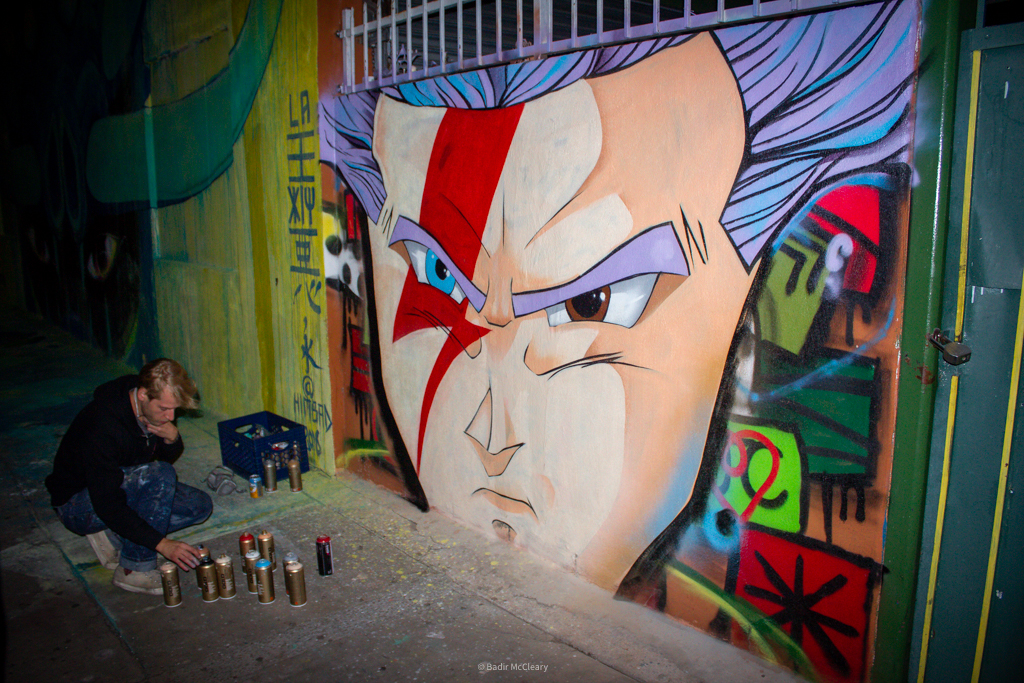
HIMBAD, J.C. Tires (Across from Gallery 38), Summer 2016
Flore & The Producer BDB, Summer 2015
Patrick Henry Johnson, Summer 2016
Ador and Semor, Across from Gallery 38), Summer 2016
J.C. Rivera, Summer 2016
Jake Merten, Summer 2016
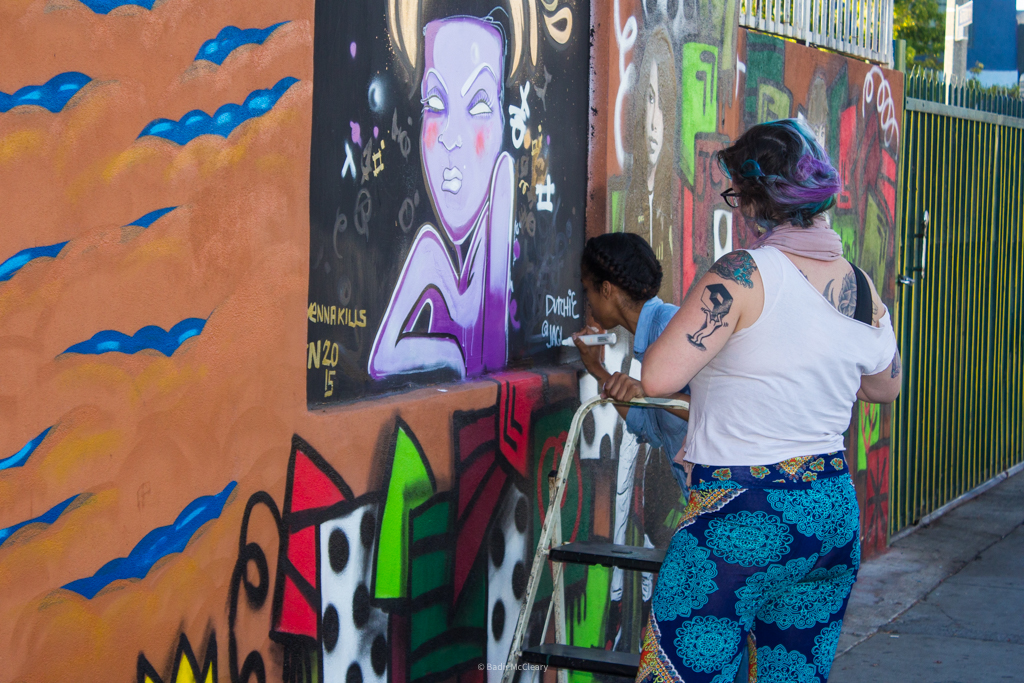
Jaq Dutch and Yenna Haring, Across from Gallery 38), Summer 2016
Norm Maxwell, Summer 2017
Brett Crawford, Summer 2017
Categories
Insights and Education

Street Artist “MiMo” claims to be the creative force behind the ALEC Monopoly art machine

Street Artist “MiMo” claims to be the creative force behind the ALEC Monopoly art machine

Do you believe in ghosts? I’m talking about the folks in our culture who “collaborate” in creating some of the largest art and entertainment brands known in the world today. On the heels of the Meek Mill and Drake ghostwriting feud, I was introduced to another quarrel, this time in the contemporary art world, between well-known street artist ALEC Monopoly and lesser-known (to me at least) illustrator Mike Mozart.

While interviewing both parties and hearing convincing arguments from both sides, I noticed a couple of keywords that seemed to come up very often and wanted to distinguish the difference between them. These words are “Collaborate” and “Work For Hire”. Collaborate, is defined as “working jointly on an activity, especially to produce or create something” and Work for Hire is explained as “work created on behalf of a client where all parties agree in writing to the Work For Hire designation”. Keep these two words in mind as you read this story.

ALEC Monopoly has created one of the most globally recognizable art brands today. By incorporating his personality with the face of “Mr. Monopoly”, a character created by Dan Fox and made famous by the “Parker Brothers” brand, ALEC has managed to tackle current events and convey messages through paint that has collectors salivating about owning a piece of his work. As a “Celebrity Artist”, ALEC polarizes his fans with his persona of opulent living, countless high-profile clients, and his signature top hat and facemask concealing his identity.

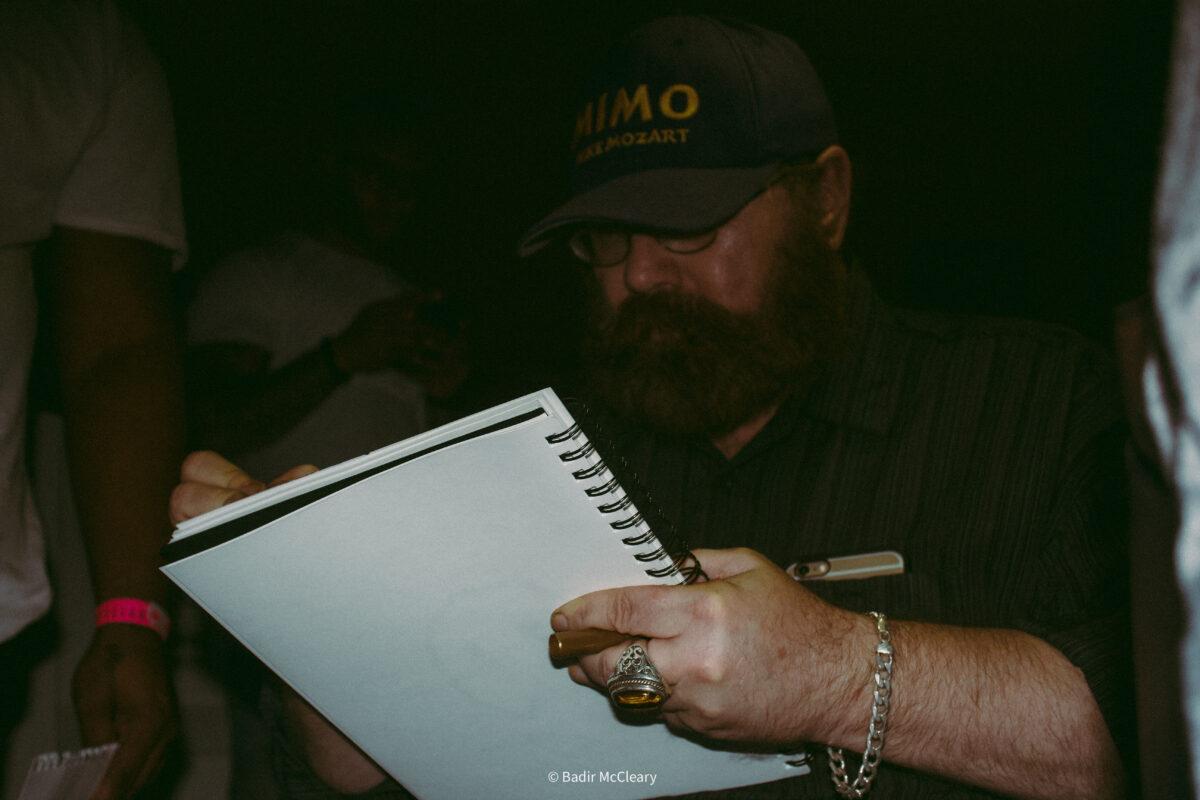
Mike Mozart, An illustrator for over 30 years, specializes in creating some of the most recognizable kid characters for many corporations. Has been published in over 100 kids’ books and was also one of the first live YouTube broadcasters from “Occupy Wall Street” rallies in New York City. Mike gained prominence through his Jeepers Media brand and his channel titled “TheToyChannel”, but not too many folks (at least those I have spoken with) have ever heard of the artist “MiMo” which is Mike’s moniker as a graffiti/street artist.

I felt this would be a great opportunity for Alec and me, I like the kid. I help out lots of people”, Mozart explains. To hear Mike’s story is to hear a tale of deception by an artist and friend he looked to help and support. “I felt this would be a great opportunity for Alec and me, I like the kid. I help out lots of people”, Mozart explains. But, to hear ALEC’s side of the story, it was all business. “Mike Mozart was never a “mentor” or “collaborator” as he claims, but merely a Freelance Illustrator who created works for hire and was compensated for these services,” says Avery Andon (ALEC Monopoly’s manager).

“It is important to note that Alec Monopoly began incorporating the Monopoly Man character into his work in 2008. By the time he met Mike Mozart several years later, he had already held a sold-out solo exhibition in NYC, been arrested for doing illegal graffiti, and placed his iconic “ALEC” logo and Monopoly Man characters on walls around the world,” adds Andon. 

Mozart remembers the day he met ALEC at a video production studio in Beverly Hills. He had no idea that ALEC would be there, and at that time, had never heard of the then-emerging street artist. He went on to share some of his drawings with ALEC and says he (ALEC) was very enamored with him. “He was very excited to meet me, he even bought some art/drawing supplies from me,” Mozart adds, acknowledging that ALEC was working on art during this visit. This encounter led to what is believed to be a working relationship and friendship of almost 4 years between the two artists in which Mozart states he even inspired the naming of ALEC’s dog, “Bruisa”, indicating how close the two became like friends.

What gets tricky is whether further business between the artists was understood by both parties as a “collaboration” or “work for hire”. “Mike clearly presented himself as a professional Illustrator during our entire relationship with him and we were paying him under that pretense,” Andon adds.

Mozart has revealed that he has worked on hundreds of projects in “collaboration” with ALEC Monopoly, varying in theme and that some of the original drawings given to ALEC in that first meeting helped brand and skyrocket his artist persona. He says, the “Monopoly Man on a Cross”, one of ALEC’s most notable pieces (pictured below), was among that earlier bunch of drawings given to ALEC. He also sent us a link to a folder containing hundreds of drawings and ideas that were the inspiration for tons of other ALEC Monopoly pieces.

However, ALEC Monopoly’s manager, Avery Andon contends that “Mike has never painted or touched a single one of Alec’s original canvas paintings, nor were his sketches EVER sold as originals to clients. Mike clearly presented himself as a professional Illustrator during our entire relationship with him and we were paying him under that pretense.”

That’s where it seems to get pretty ugly. Mozart informed us that for the first two years of the “collaboration” with ALEC, he was NOT paid for his services, nor did he ever sign any agreements of Work-for-Hire, and was never considered a “Team Member” of the Monopoly camp.  Monopoly’s camp says that Mozart was paid for his illustration services and “any claim that he believed he was a “collaborator” or partner in the Alec Monopoly project is also completely false.” Both parties claim to have proof that supports their argument.

“I never said anything bad or negative pertaining to ALEC or tracing or projecting,” adds Mozart. The Monopoly camp thinks this is Mozart’s attempt at gaining fame and notoriety with his “Smear Campaign” on ALEC Monopoly as they claim they have made multiple attempts to resolve the issue amicably. Instead, they say he started by sending “aggressive and hateful emails” about Alec to galleries they’re associated with and that he “never once vocalized his discontent or requested additional credit or compensation from us throughout the entire period of time that he was working for us”.

Mozart slams this as being untrue noting that he has never said anything to discredit ALEC Monopoly as an artist or brand. “I never said anything bad or negative pertaining to ALEC Monopoly,” adds Mozart. “I have ONLY ever mentioned that we have “collaborated”. Mozart recently attended the “Forever 21” launch event that ALEC was the featured artist of and is in “collaboration” with for a new line of Monopoly themed clothing, and even posed for a picture with his now nemesis wearing what seems to be a “collaboration” of “MiMo” and ALEC Monopoly.

After that photo, almost every one of Mozart’s posts mentions that he “collaborated” with Monopoly and hints that he is the man behind the creative direction of the artist’s brand.

“Dating back to Michelangelo, Rembrandt and Rubens to Andy Warhol’s famed “Factory” and most recently top-selling artists like Jeff Koons and Damien Hirst, artists have enlisted the help of creative professionals and staff members to help keep up with demand and scalability,” Andon says.

ALEC’s camp has never denied any involvement with Mike Mozart but also argues that it was a “good marketing plan” that helped ALEC Monopoly become a household name, not one single image. “Collectors are buying into Alec’s persona, mystique, and star power. His unique style and personality, and pension for flair have propelled him into the international spotlight,” states Andon. He also reminds readers that “the content in question is the appropriation of characters that neither Mike Mozart nor Alec Monopoly created” stating that public usage of the characters is fair game. They believe that Mike’s campaign will hold no relevance to the collectability or growth of ALEC as an artist.

Mozart believes that once the truth comes out fans will ultimately understand that it was he, not ALEC, that was the “creative force” behind much of the artwork. “I don’t want money, I’m not going to sue. I have a substantial amount of time invested and I have earned that recognition!” BM.