Categories
Curatorial Professional Services

Duet: Compositions of Rhythm, Harmony, and Form

Duet: Compositions of Rhythm, Harmony, and Form

โ€œDuet,โ€ a twoโ€person exhibition featuring Los Angelesโ€“based artists Skira Martinez and Sam Pace, draws on the rich textures and histories of musical instruments and electronic detritus. โ€œDuetโ€ invites visitors to explore how sound and materiality intertwine to shape contemporary culture.

Dates
September 20-27th, 2025

Location
Cielo Galleries, L.A.

The Exhibition:

The exhibition takes its title from the collaborative spirit of music-making: two distinct voices in dialogue, resonance and counterpoint. Through sculptural assemblages, painted surfaces and foundโ€object reliefs, Martinez and Pace repurpose brass and string components from radios, pianos and other instrumentsโ€”alongside plastics, wood and e-wasteโ€”to compose visual symphonies that riff on memory, improvisation and cultural legacy. Visitors will encounter works that both reference the physicality of jazz, blues and Black American music, and reimagine the afterlives of discarded, โ€œsilentโ€ objects.

Skira Martinez draws on a lifetime of hands-on making, from her childhood on an off-grid farm in Ontario to her current studio practice in Historical South Central Los Angeles. Inspired by trips to the country dump and raised in a household where โ€œsomething out of nothingโ€ was the daily ethos, Martinez transforms salvaged electronics, thrifted treasures and yard-sale finds into jewelโ€like assemblages. In โ€œDuet,โ€ she unveils new mixed-media sculptures that echo the improvisational spirit of brass and string ensembles, while commenting on consumption, waste and the regenerative power of art.

Sam Paceโ€™s practice began in the late 1980s in Europe, where he first translated the moods of jazz and blues into painterly narratives. From acrylic and collage on wood panels to reliefs built from discarded recyclables, Paceโ€™s works channel the syncopated rhythms and emotional cadences of his sonic inspirations. In this exhibition, he presents a series of collaged reliefs incorporating piano hammers, radio dials and bent sheet-metal formsโ€”each piece a visual โ€œnoteโ€ in his ongoing composition celebrating African American musical heritage.

Together, Martinez and Pace perform a creative โ€œduetโ€ that spans material histories, cultural memory and the improvisatory core of contemporary art. Visitors to DUET: Composition of Rhythm, Harmony, and Form at Cielo Galleries and Studios, can expect an immersive environment where sculptures gleam like brass instruments, painted surfaces pulse with rhythmic energy, and discarded fragments find new voiceโ€”turning waste into witness, silence into song. The exhibit will be on view to the public from September 20th through 27th. Visits after Opening Night are by APPOINTMENT ONLY. Press release and show imagery available upon request. Please contact Spaceart44@hotmail.com for more information. โ€œDUET: Composition of Rhythm, Harmony, and Formโ€ is located at Cielo Galleries and Studios, 3201 Maple Ave., Los Angeles, CA 90011.

Duet: Compositions of Rhythm, Harmony, and Form Installation Shot

Categories
Creative Work and Portfolio Insights and Education

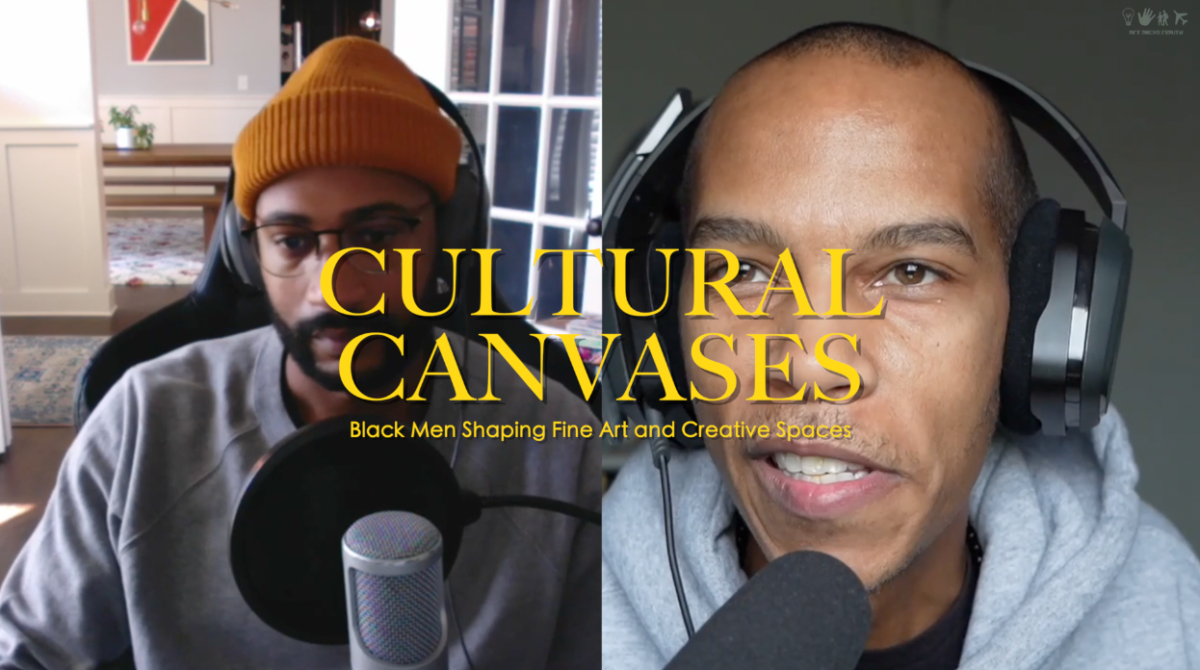
Cultural Canvases: Black Men Reshaping Fine Art and Creative Spaces: Episode Two

Cultural Canvases: Black Men Reshaping Fine Art and Creative Spaces: Episode Two w/ Reggie Perry Jr.

Cultural Canvases: Black Men Reshaping Fine Art and Creative Spaces: Episode One w/ Reggie Perry Jr.

In Episode Two, we chat with Reggie Perry Jr., a multifaceted creator excelling in design, audio, and video production, motion graphics, and 3D animation. His expertise in typography, illustrations, and various media forms in the Home Depot learning department and as a freelance designer for clients like Greenwood Bank and Caregility, further demonstrates his skills in web content creation through e-commerce and lifestyle imagery. In Episode Two, we chat with Reggie Perry Jr., a multifaceted creator excelling in design, audio, and video production, motion graphics, and 3D animation. His expertise in typography, illustrations, and various media forms in the Home Depot learning department and as a freelance designer for clients like Greenwood Bank and Caregility, further demonstrates his skills in web content creation through e-commerce and lifestyle imagery.

Cultural Canvases: Black Men Reshaping Fine Art and Creative Spaces presented by ArtAboveReality โ€” the podcast that dives deep into the vibrant world of contemporary art, design, and digital creativity through the lenses of Black male professionals. Join me, Badir McCleary, your host, and curator, as we venture on a journey through the fascinating narratives and insightful perspectives of these groundbreaking artists and visionaries. In each episode, we’ll unravel the threads of their unique journeys, exploring the challenges they’ve overcome, the triumphs that define their artistic narratives, and the goals that keep them putting in overtime in their studios and boardrooms.

From gallery walls to global stages, we’ll celebrate these diverse talents that are redefining the face of creativity. But that’s not all. “Cultural Canvases” goes beyond the canvas, delving into the broader ecosystem. Tune in for engaging discussions on current events impacting the creative space, market trends, and the rich historical context that shapes contemporary expression. Get ready for thought-provoking dialogues, candid revelations, and a front-row seat to the dynamic intersection of culture, ideation, and the ever-evolving canvas of innovation on Cultural Canvases.

Join the ArtAboveReality channel to get access to perks: https://www.youtube.com/channel/UC9S0S2OYmTsmQf5nqMQZhUw/join

Categories
Creative Work and Portfolio Insights and Education

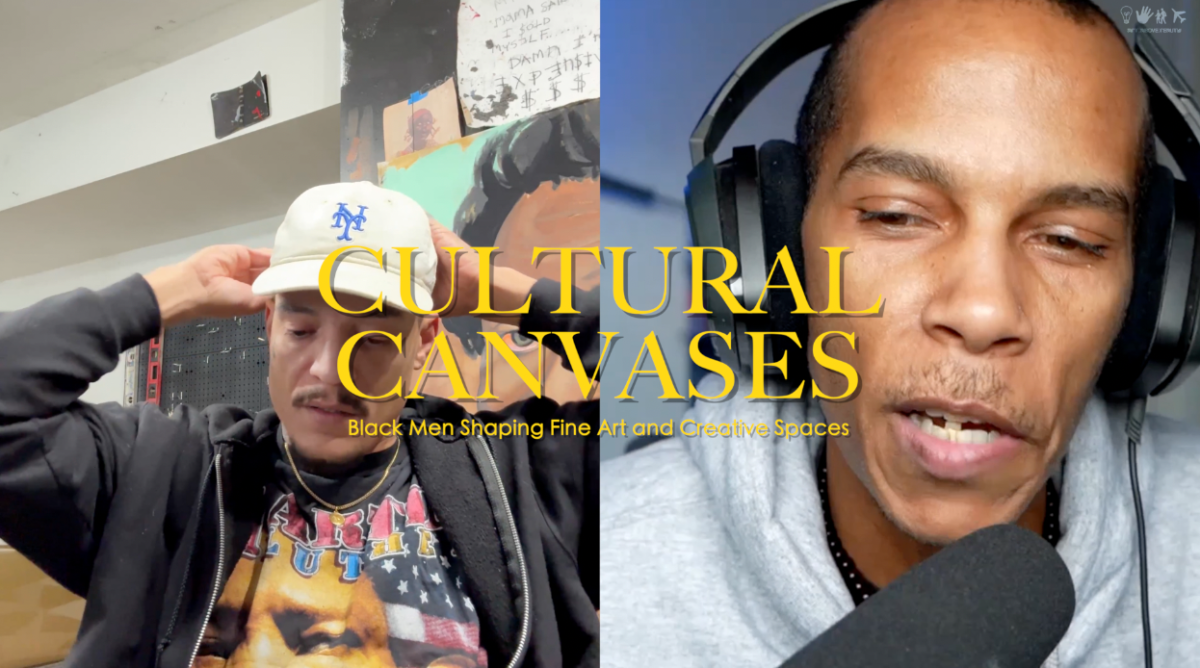
Cultural Canvases: Black Men Reshaping Fine Art and Creative Spaces: Episode One

Cultural Canvases: Black Men Reshaping Fine Art and Creative Spaces: Episode One w/ B. Robert Moore

Cultural Canvases: Black Men Reshaping Fine Art and Creative Spaces: Episode One w/ B. Robert Moore

Cultural Canvases: Black Men Reshaping Fine Art and Creative Spaces presented by ArtAboveReality โ€” the podcast that dives deep into the vibrant world of contemporary art, design, and digital creativity through the lenses of Black male professionals. Join me, Badir McCleary, your host, and curator, as we venture on a journey through the fascinating narratives and insightful perspectives of these groundbreaking artists and visionaries. In each episode, we’ll unravel the threads of their unique journeys, exploring the challenges they’ve overcome, the triumphs that define their artistic narratives, and the goals that keep them putting in overtime in their studios and boardrooms.

From gallery walls to global stages, we’ll celebrate these diverse talents that are redefining the face of creativity. But that’s not all. “Cultural Canvases” goes beyond the canvas, delving into the broader ecosystem. Tune in for engaging discussions on current events impacting the creative space, market trends, and the rich historical context that shapes contemporary expression. Get ready for thought-provoking dialogues, candid revelations, and a front-row seat to the dynamic intersection of culture, ideation, and the ever-evolving canvas of innovation on Cultural Canvases.

In Episode One, I sit down with Des Moines, Iowa based artist B. Robert Moore. Multidisciplinary self-taught artist started painting in 2018-19 to counter drug addiction and alcoholism. As a tool to counter mental health issues and life trauma, Moore paints figurative works amongst other contemporary works that all are inner connected through Mooreโ€™s identity and experience as a Black man in America.

Growing up in Iowa, a predominantly White-conservative state has inspired Moore to uplift narratives and images of people from his community and abroad who identify through similar life identity and experiences. Storytelling is the backbone of Mooreโ€™s work, as the composition of the visual only aides the hours of research and layered symbolism throughout each individual work.

Join the ArtAboveReality channel to get access to perks: https://www.youtube.com/channel/UC9S0S2OYmTsmQf5nqMQZhUw/join

Categories
Creative Work and Portfolio

OPEN: PhotoBook

Photo by Badir McCleary

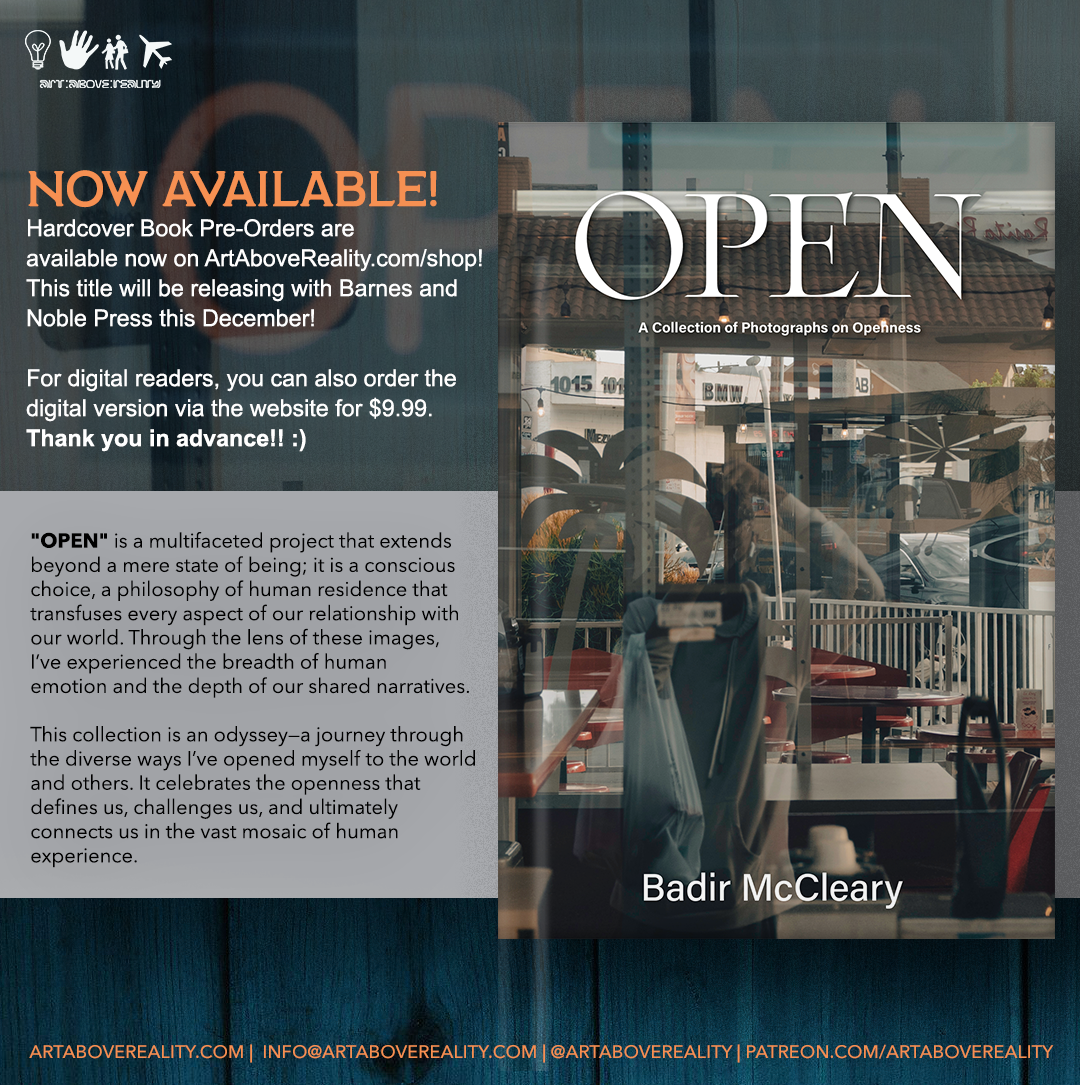
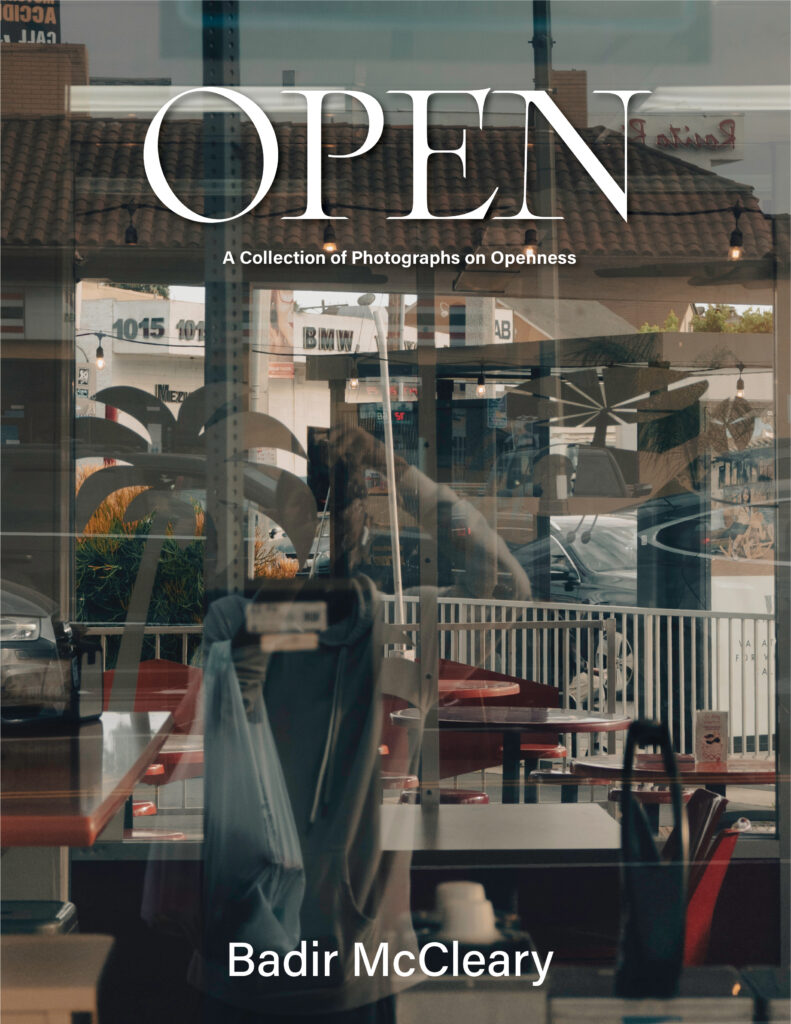
OPEN: A Collection of Photographs on Openness (PhotoBook)

OPEN: A Collection of Photographs on Openness

Embark on a visual odyssey that transcends boundaries and embraces the ethos of โ€˜OPENโ€™ in Badir McClearyโ€™s latest photographic collection. This book is more than a series of images; it is an exploration of openness in its myriad forms, from the embrace of new cultures to the intimacy of personal spaces. McClearyโ€™s lens captures the ephemeral yet profound moments of life, each frame a testament to the beauty and complexity of human experience. Through streets bustling with stories and landscapes whispering of freedom, this collection invites you to witness the world in its raw, unfiltered magnificence.

In these pages, you will journey through a tapestry of narratives that speak to the heart of what it means to be truly open. From the candid emotions etched on the faces in crowded urban settings to the serene expanses that beckon the soul to wander, each photograph is an invitation to engage, feel, and connect. As you delve into this collection, be prepared to embark on a journey that challenges your perceptions and enriches your understanding of openness. 

Whether it is through the dignified portrayal of lifeโ€™s hardships or the intimate glimpses into the sanctuaries of creation, these images are a celebration of the human spiritโ€™s boundless capacity for growth, connection, and change. โ€˜OPENโ€™ is more than a photographic project; it is a philosophy, a way of life that the author eloquently captures and shares with the world. Let this book be your guide to embracing the unknown, discovering the beauty in openness, and seeing the world through a lens of wonder and boundless possibility.

Available for Pre-Order December 4th!

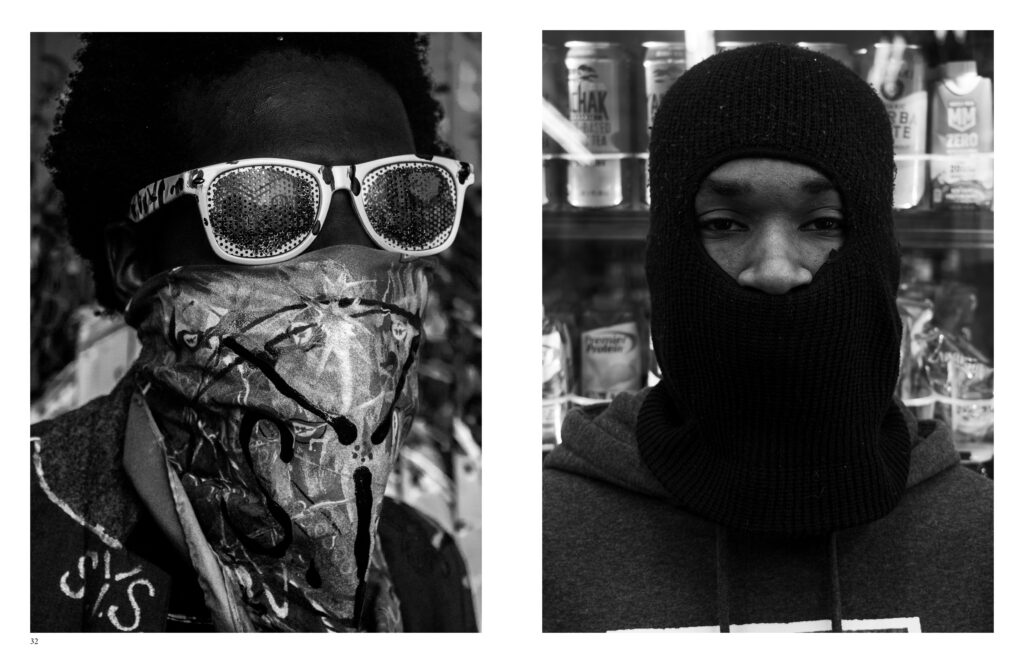
Mark Savage, 2015, Alim Morris, 2023, Los Angeles, 2022. Photo by Badir McCleary.
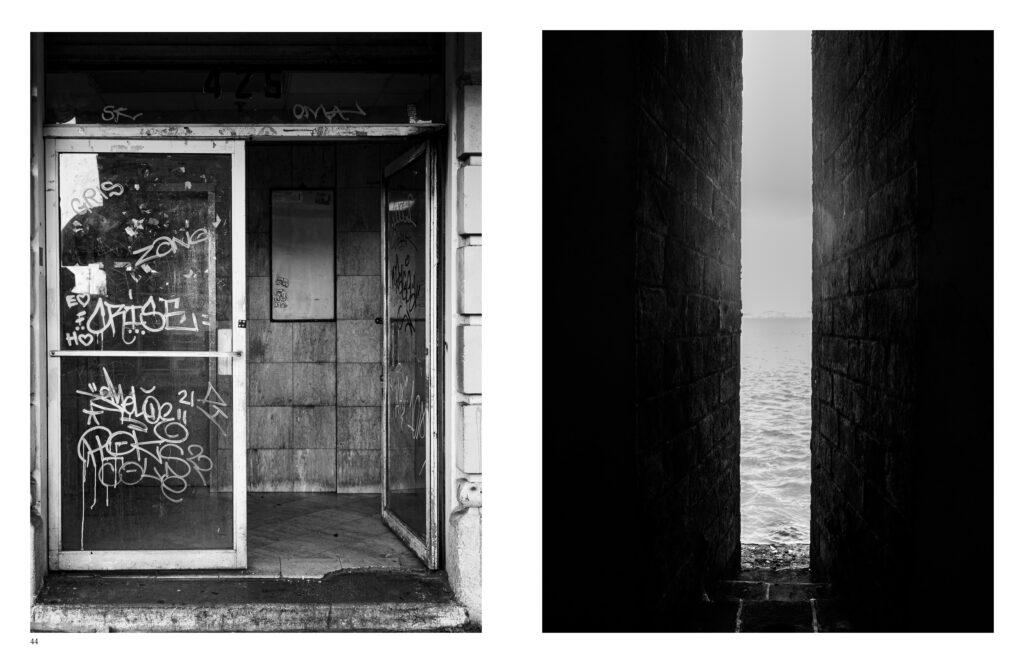
Wall St. Apt, DTLA, 2022. Alcatraz Island, San Francisco, 2018. Photo by Badir McCleary.

Categories
Fallen Through The Cracks

Fallen Through The Cracks – Black Artists in History: Cliff Joseph

Fallen Through The Cracks – Black Artists in History: Cliff Joseph

Fallen Through The Cracks – Cliff Joseph

Cliff Ricardo Joseph

#FallenThroughTheCracksClifford Ricardo Joseph was born on June 23, 1922, in Panama City, Panama. He was an influential figure in both the art world and the field of art therapy and was also a notable activist. Born to parents who immigrated to the United States and settled in Harlem, New York, Joseph’s early life was shaped by these dynamic surroundings. He served in a field artillery unit overseas during WWII. Post-war, he pursued his passion for art at Pratt Institute, New York, graduating with a degree in illustration in 1952. He later returned to Pratt as an art therapy instructor. He also enhanced his expertise by studying at the Turtle Bay School of Therapy.

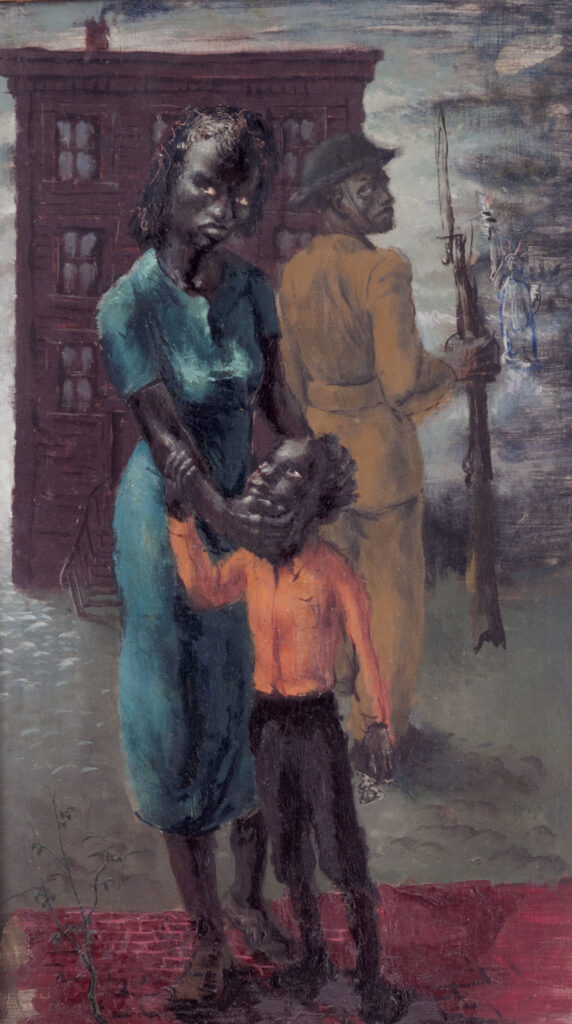
His artistic endeavors often reflected his strong anti-war stance, as many works critiqued the Vietnam War and warfare in general.ย A pivotal moment in Joseph’s career was in 1968 when he, alongside Benny Andrews and others, established the Black Emergency Cultural Coalition (BECC). This coalition arose as a reaction to the Metropolitan Museum of Art’s “Harlem on My Mind” exhibition, which notably excluded Black artists. Joseph emphasized the importance of Black Art being curated by individuals who deeply understood the Black experience.

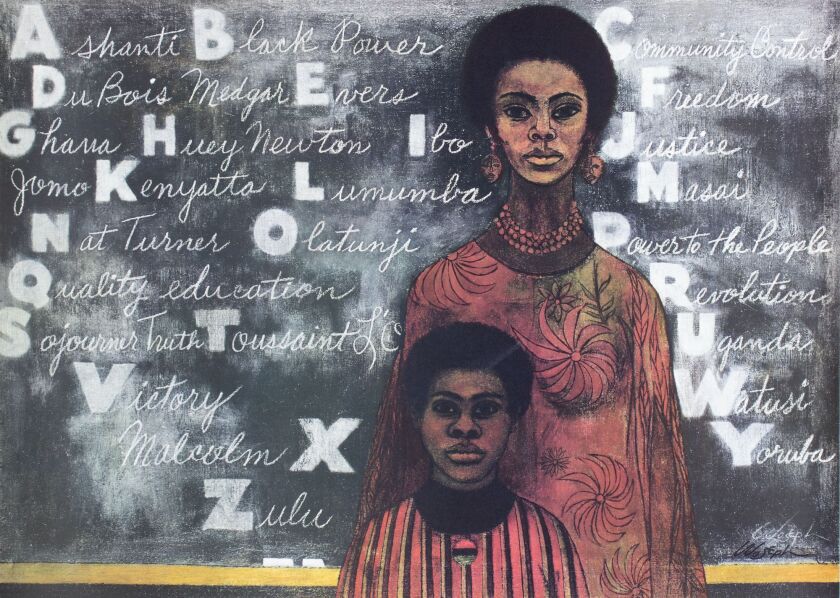
Cliff Joseph, Blackboard, Renee Yeager / Thom Pegg, Tyler Fine Art
Cliff Joseph, My Country Right or Wrong, Renee Yeager / Thom Pegg, Tyler Fine Art

As BECC’s co-chair, he was instrumental in organizing the “Rebuttal to Whitney Museum Exhibition” at the Acts of Art Gallery in Manhattan. This exhibition was a direct response to the Whitney Museum’s decision to proceed with the Contemporary Black Artists in America exhibition without consulting BECC or community representatives, a proposal Joseph and Andrews had made. Joseph’s contributions to art therapy were pioneering, particularly as one of the first African Americans in the field. He joined the American Art Therapy Association, becoming its first African-American member. His role in suggesting art-based therapies to Governor Nelson Rockefeller during the 1971 Attica Prison uprising, in collaboration with Andrews, was a testament to his belief in the healing power of art. By 1982, Joseph was practicing art therapy at Lincoln Hospital and held a position at the Albert Einstein College of Medicine, marking his long-standing commitment to this discipline. Clifford Joseph passed away on November 8, 2020.

(Text paraphrased from Wikipedia and other sources. All Images are the property of the copyright owners. This clip is for educational purposes.)

Categories
Fallen Through The Cracks

Fallen Through The Cracks – Black Artists in History: Ulysses Davis

Fallen Through The Cracks – Black Artists in History: Ulysses Davis

Fallen Through The Cracks – Ulysses Davis

Ulysses Davis

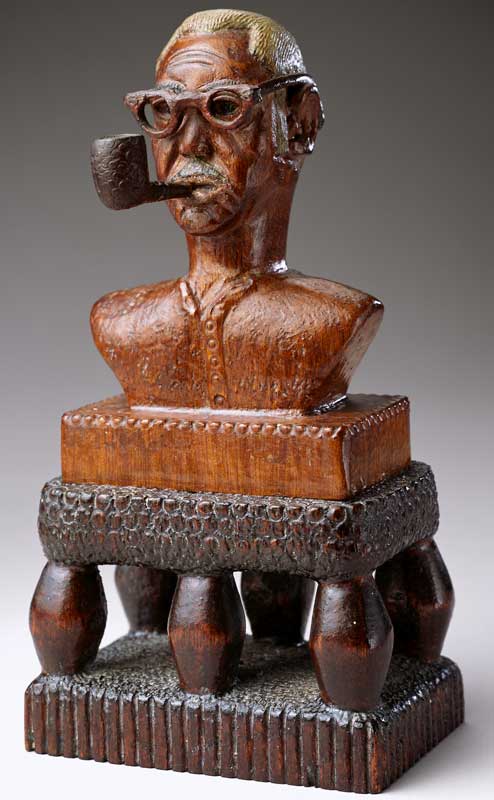
#FallenThroughTheCracks – Ulysses Davis was born on January 13, 1913, in the railroad town of Fitzgerald, GA. He was an African-American barber and self-taught sculptor best known for his carvings of historical figures such as a set of mahogany busts of all the presidents (through George H. W. Bush). After being laid off by the railroad company in the 1950s, he opened the Ulysses Barber Shop in Savannah, Georgia, which doubled as an informal art gallery displaying his wood carvings.

Davis’s artistic process was marked by a distinct approach: he often eschewed preliminary sketches, preferring to shape his creations directly from the wood using hatchets, and band saws, and later refining them with chisels and knives. His toolkit was a testament to his ingenuity, featuring self-made tools that reflected the metalworking skills he honed as a young railroad blacksmith. Occasionally, he would employ barbering tools like scissors for intricate textural details. His sculptures, often embellished with shoe polish, rhinestones, and beads, showcased a unique blend of his diverse skills.

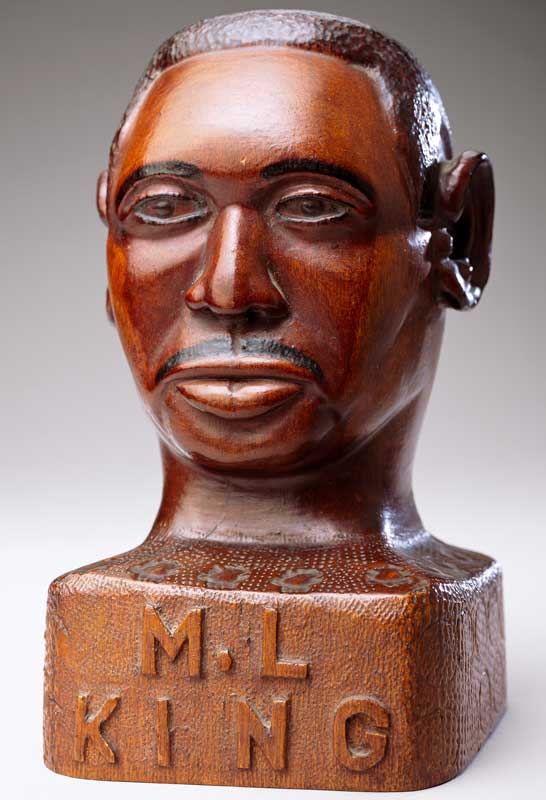
Ulysses Davis, Martin Luther King, 1968 ยฉ Ulysses Davis

Beyond his famous carvings of historical figures, Davis’s oeuvre included a wide array of subjects, from realistic animals to imaginative depictions of African tribal leaders and mythical creatures. His artistic vision was an amalgamation of various African motifs, contributing to a unique interpretation of African-American art.

Throughout his life, Davis created over 300 pieces, using materials as varied as shipyard lumber, donated wood, and standard lumber yard finds. His preference for working directly with the wood, carving, and refining without preliminary models, remained a consistent and defining aspect of his artistry. Ulysses Davis passed away in 1990 in Savannah, GA.
(Text paraphrased from Wikipedia and other sources. All Images are the property of the copyright owners. This clip is for educational purposes.)

Categories
Creative Work and Portfolio

Art History Challenger GPT by ArtAboveReality

Art History Challenger GPT by ArtAboveReality

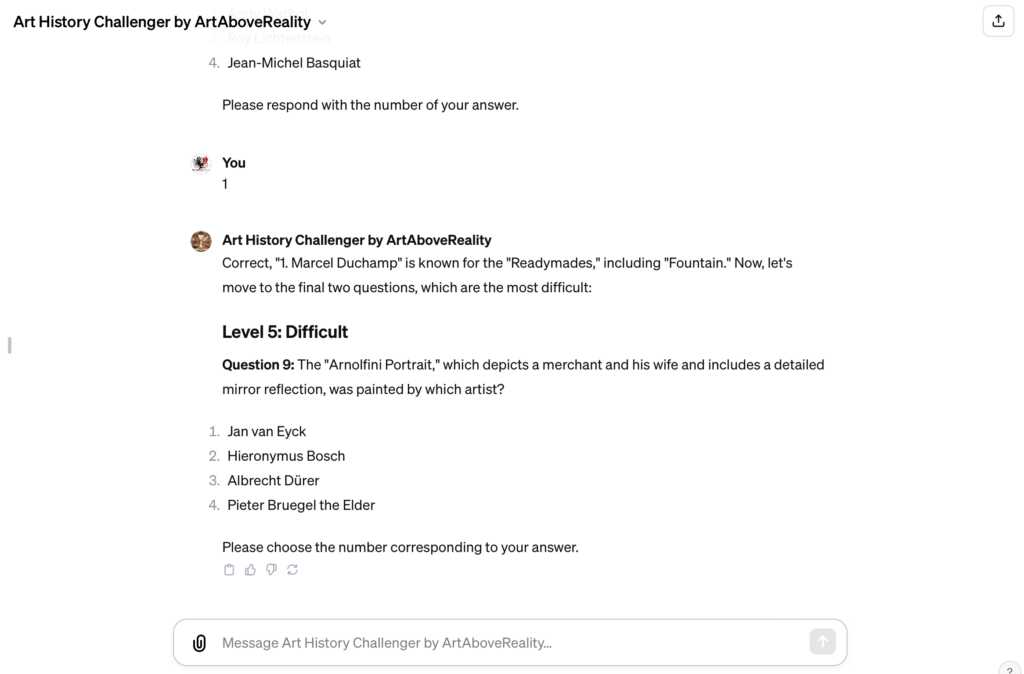
Ever since ChatGPT dropped Iโ€™d been sharpening up my Python to be able to create my own models and more that bounce off other APIs for arts institutions. With the release of GPT-4, Iโ€™ve been able to insert some of my logic with the amazing back end engine of Open AI and create about 14 different GPTs that help to automate my workflows, be the assistant Iโ€™ve always needed, and create learning games to ensure that Iโ€™m always on my toes when it comes to testing my knowledge. The Art History Challenger is something cool that Iโ€™ve been building to help bring more arts education mainstream and add fun to it. Take a look at it here: https://chat.openai.com/g/g-4hBQSzwjX-art-history-challenger-by-artabovereality. Tell me what you think! 
Categories
Insights and Education

Happy Veterans Day! Here are a few artworks that highlight our servicemen.
Happy Veterans Day! Here are a few artworks that highlight our servicemen.

Happy Veterans Day!

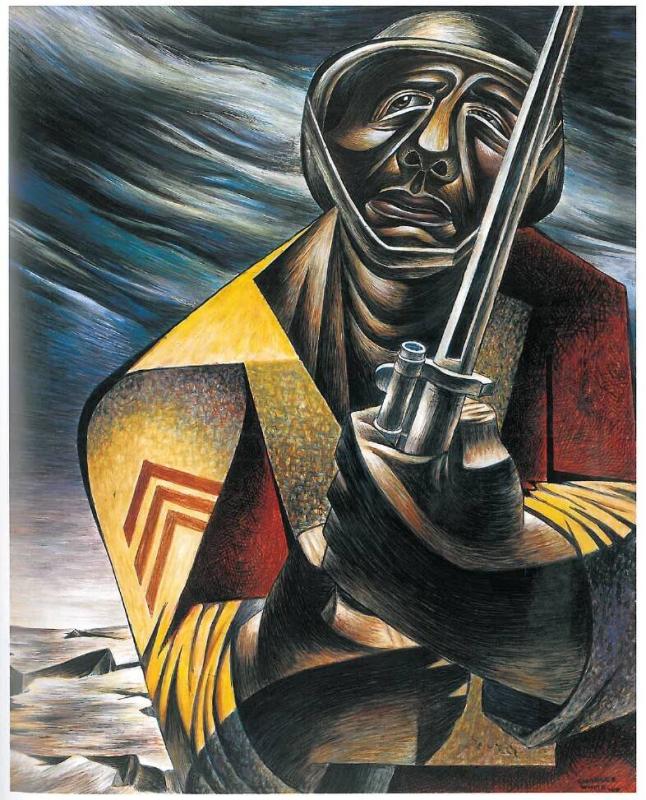
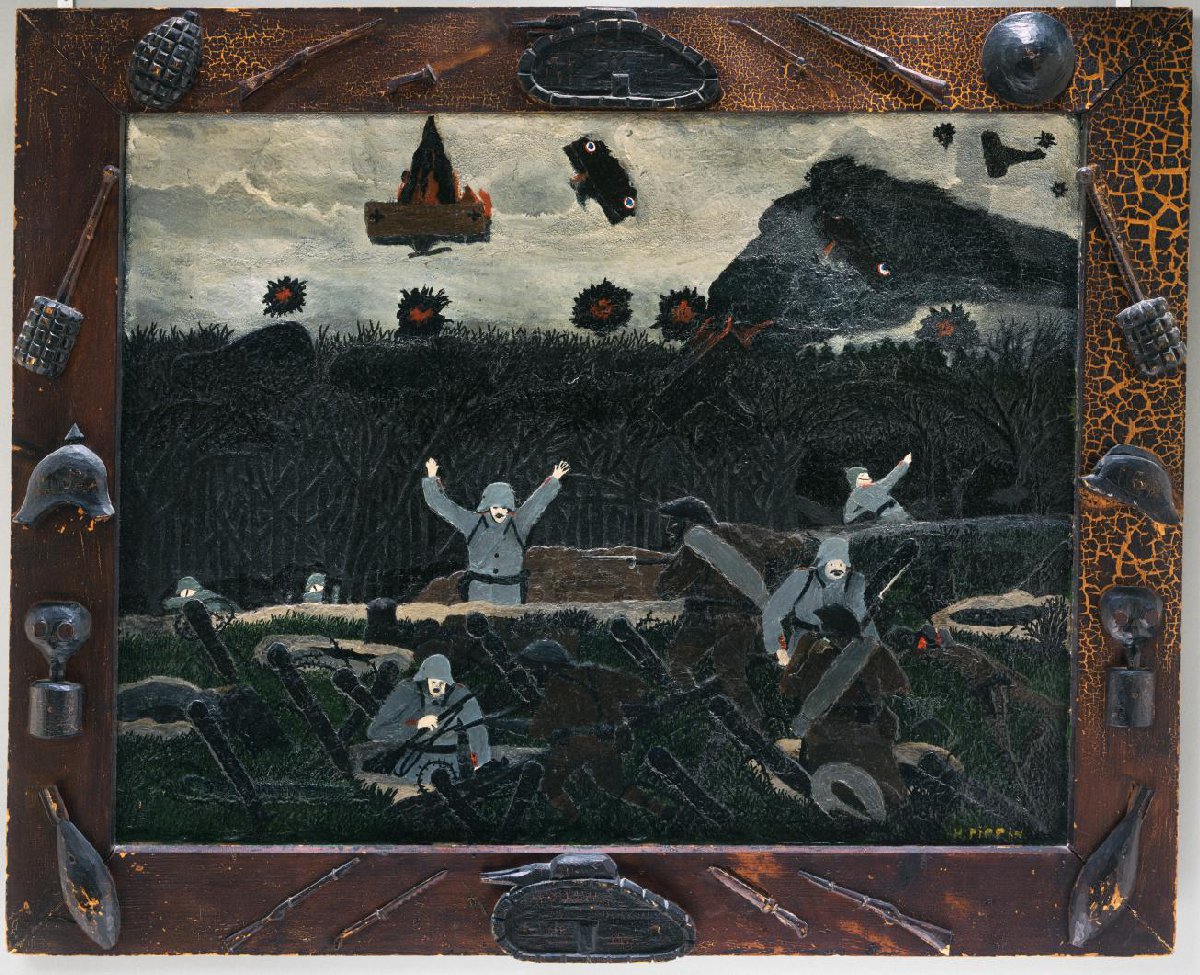
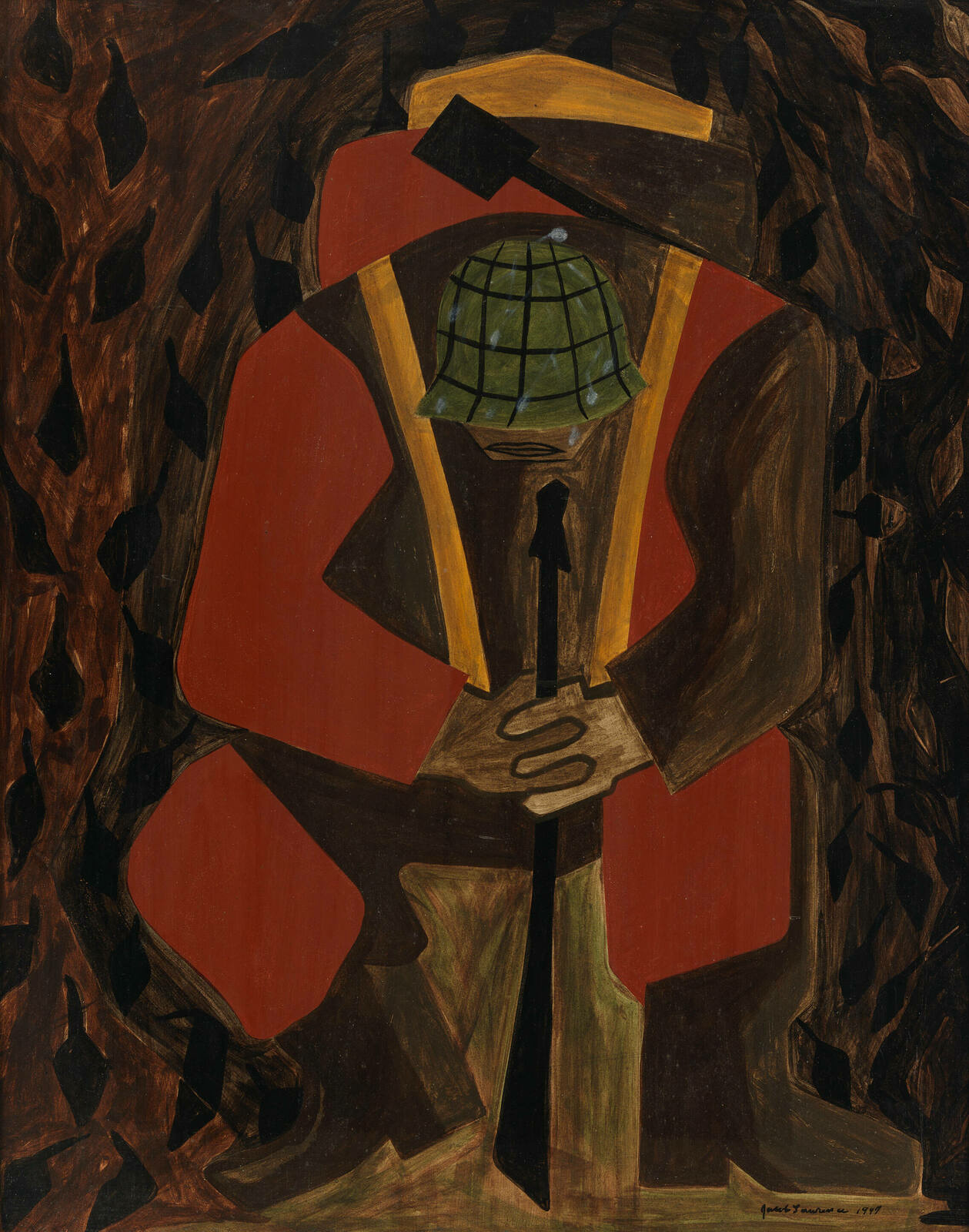
#HappyVeteransDay to all the Vets and thank you for your service! I wanted to do a quick reel highlighting some works that focus on the lives of our heroes. Many black artists throughout history were soldiers and many have contributed some amazing visuals to life at War and Home. These artists #HoracePippin, #JacobLawrence, #CharlesWhite, and #JohnWoodrowWilson have works that I felt were apropos for todayโ€™s reflections. What are some of your favorite works that highlight the sacrifices and triumphs of our soldiers?

Horace Pippin, American (1888 โ€“ 1946) โ€œThe Ending of the War, Starting Homeโ€ (1930-1933)
Jacob Lawrence
War Series: Victory
1947
Jacob Lawrence War Series: Victory 1947
Charles White, Soldier, 1944. ยฉ Estate of Charles White
John Woodrow Wilson, Black Soldier, 1943

(All Images are the property of the copyright owners.)

Categories
Fallen Through The Cracks

Fallen Through The Cracks – Black Artists in History: Beauford Delaney

Fallen Through The Cracks – Black Artists in History: Beauford Delaney

Fallen Through The Cracks – Beauford Delaney

Beauford Delaney

#FallenThroughTheCracks –ย  Beauford Delaney was born on December 30, 1901, in Knoxville, Tennessee. Delaney’s artistic path began when, as a teenager. Alongside his younger brother Joseph, he started crafting his sign designs. Delaney’s thirst for artistic knowledge led him to Boston, where he pursued formal art education. He studied at institutions like the Massachusetts Normal School, the South Boston School of Art, and the Copley Society, acquiring a strong foundation in classical technique.

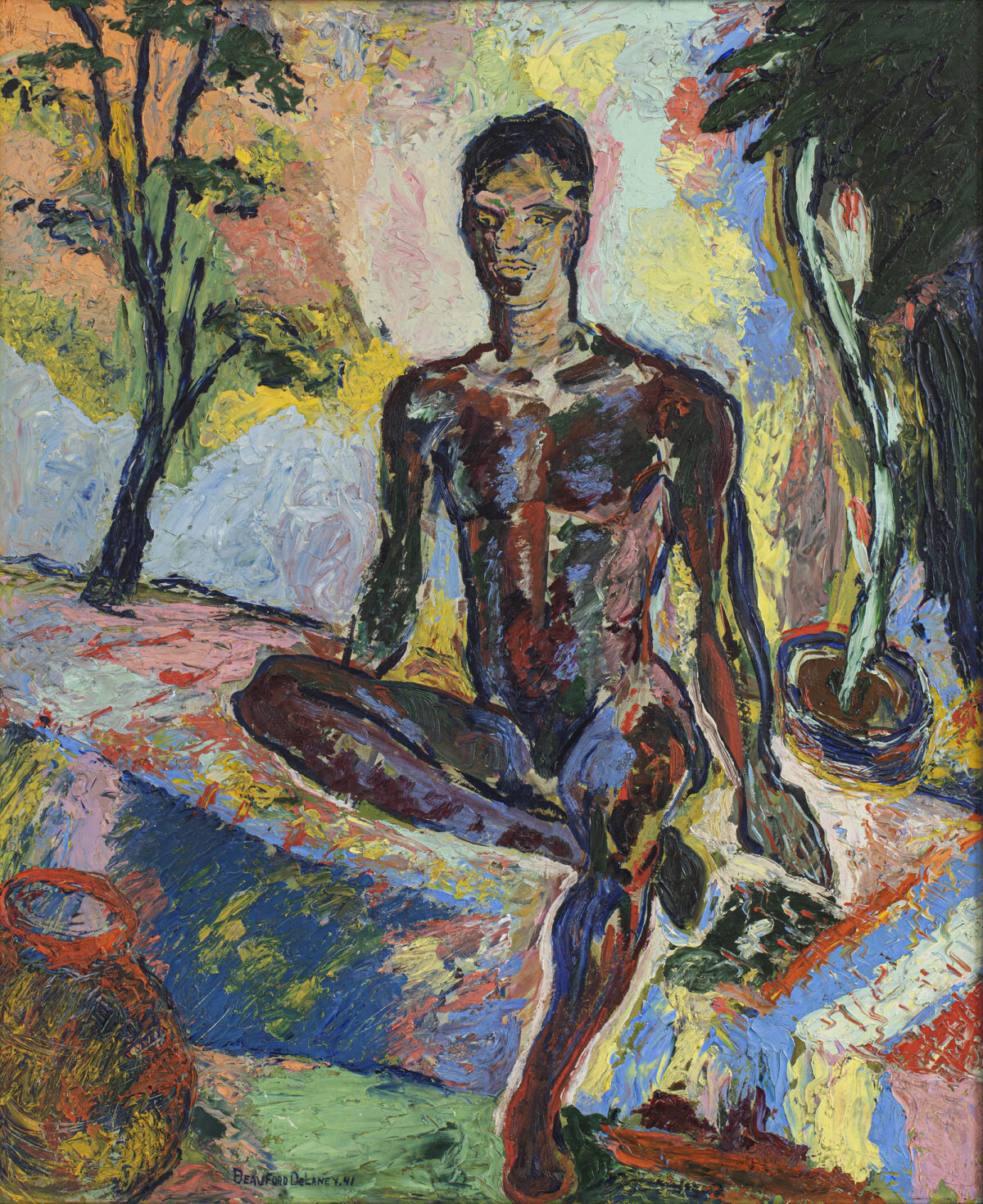
In Boston, Delaney not only honed his artistic skills but also engaged with significant figures in African-American activism and culture. With this valuable knowledge, he moved to New York in 1929, coinciding with the Harlem Renaissanceโ€”a time of cultural vitality in the black community. His art began to reflect the vibrant urban life of Harlem, capturing its essence through colorful and engaging canvases. Members of this disenfranchised community became the subjects of many of Delaney’s greatest New York period paintings.

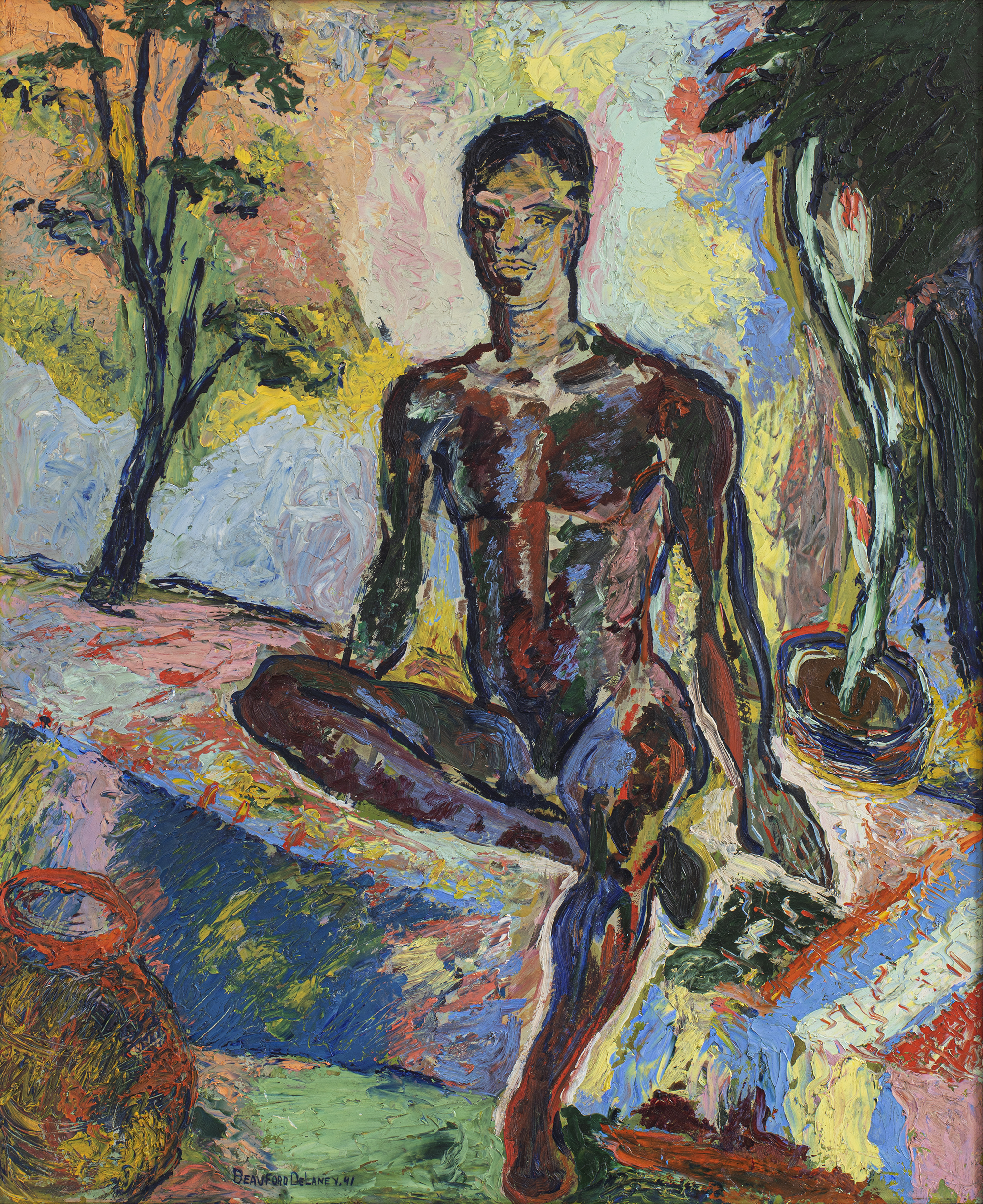
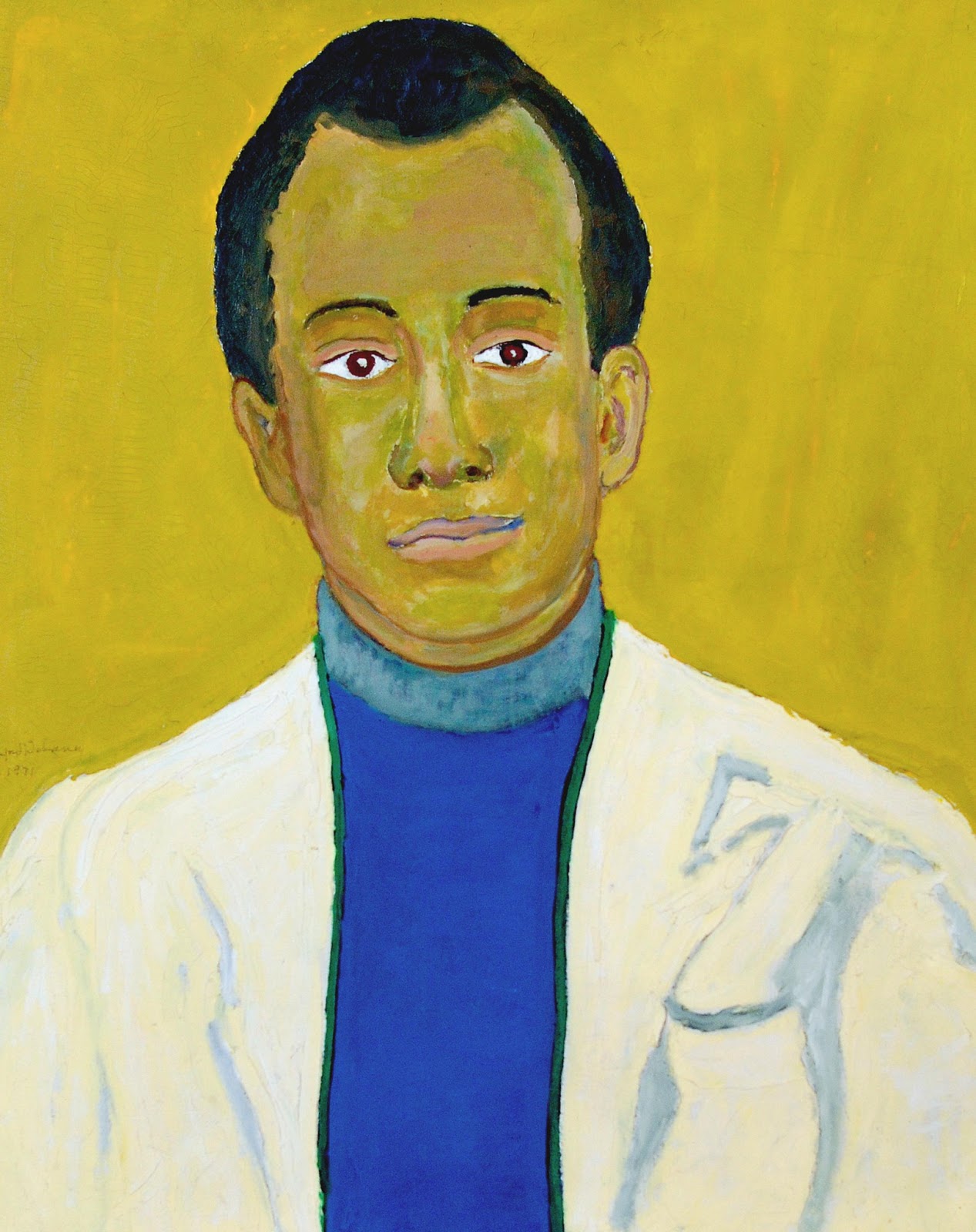
Beauford Delaney, Dark Rapture, 1941, ยฉ Estate of Beauford Delaney.
Beauford Delaney, Auto Portrait Rapture, 1965, ยฉ Estate of Beauford Delaney.
Beauford Delaney, Auto Portrait, 1965, ยฉ Estate of Beauford Delaney.

While Delaney integrated African American influences, such as jazz, into his art, he wasn’t inclined to participate in the socio-political debates or “Negro art” discussions of the time. Nevertheless, he took pride in black achievement and actively exhibited his work in black artists’ exhibitions. In 1953, at the age of 52, Delaney made a significant move to Paris, where many African-American artists and writers sought greater creative freedom. This shift marked a transformation in his style, transitioning from figurative compositions of New York life to abstract expressionism, emphasizing color and light.

His work has been showcased in prestigious institutions such as the Philadelphia Museum of Art, The Studio Museum in Harlem, and the Smithsonian American Art Museum, solidifying his legacy as a remarkable artist. Beauford Delaney died in Paris at St. Anne’s on March 26, 1979. In 1985 James Baldwin described the impact of Delaney on his life, saying he was “the first living proof, for me, that a black man could be an artist.

(Text paraphrased from Wikipedia and other sources. All Images are the property of the copyright owners. This clip is for educational purposes.)

Categories
Insights and Education

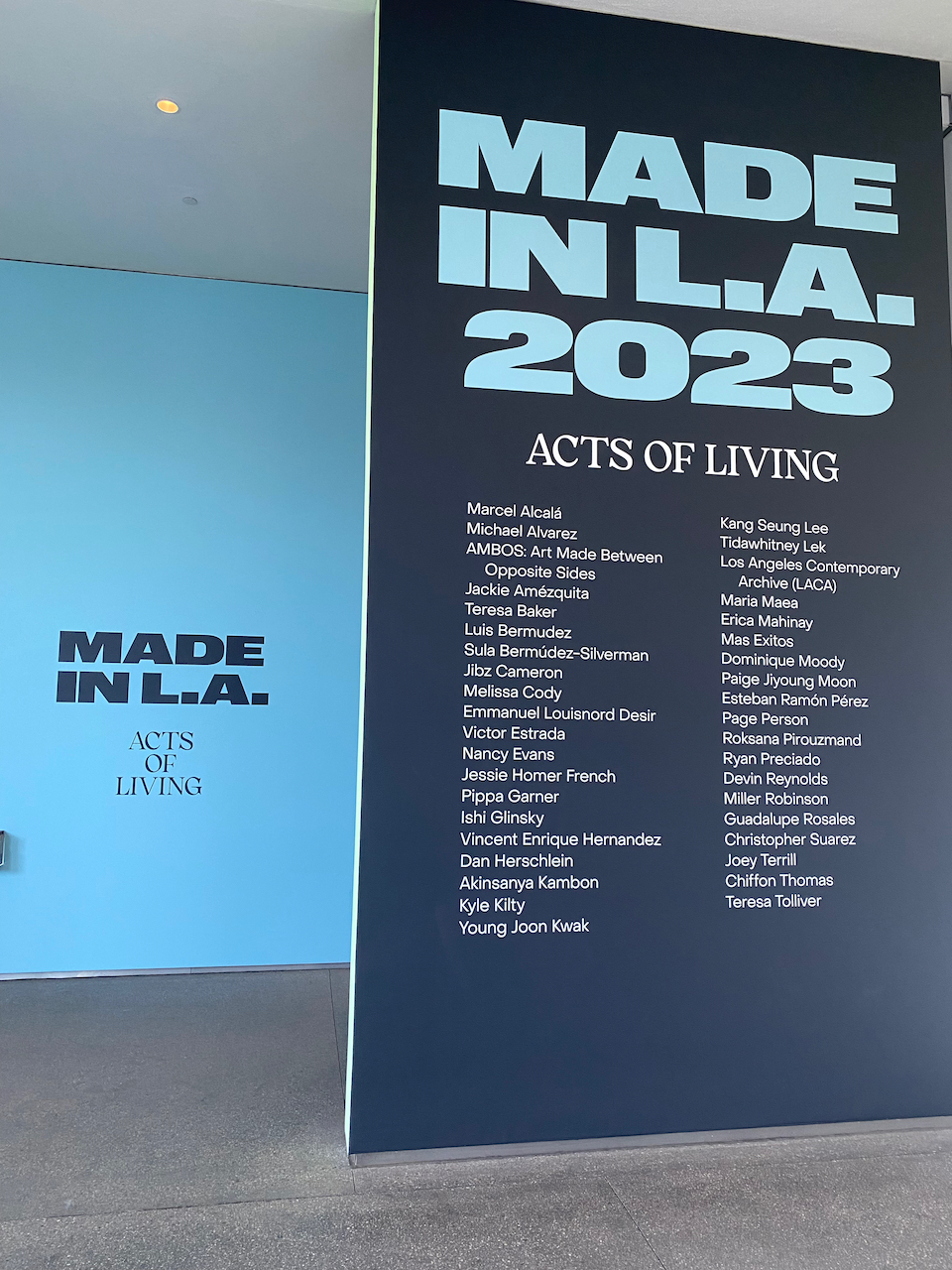
Made in LA: 2023 Acts of Living at the Hammer Museum

Made in LA: 2023 Acts of Living at the Hammer Museum

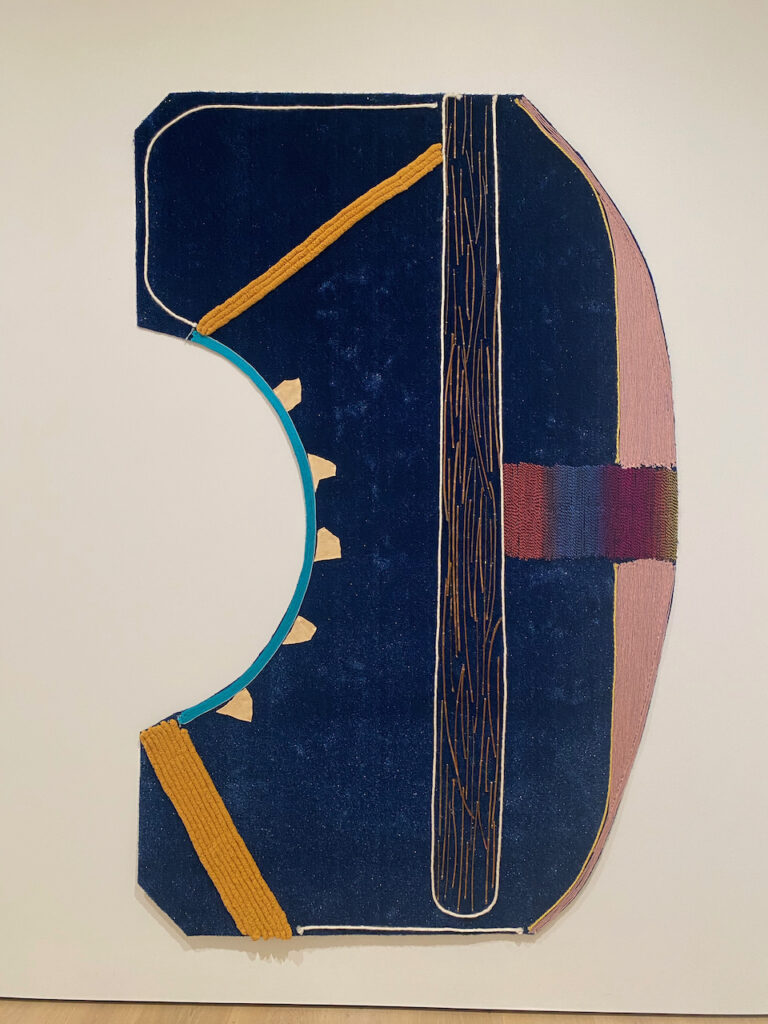
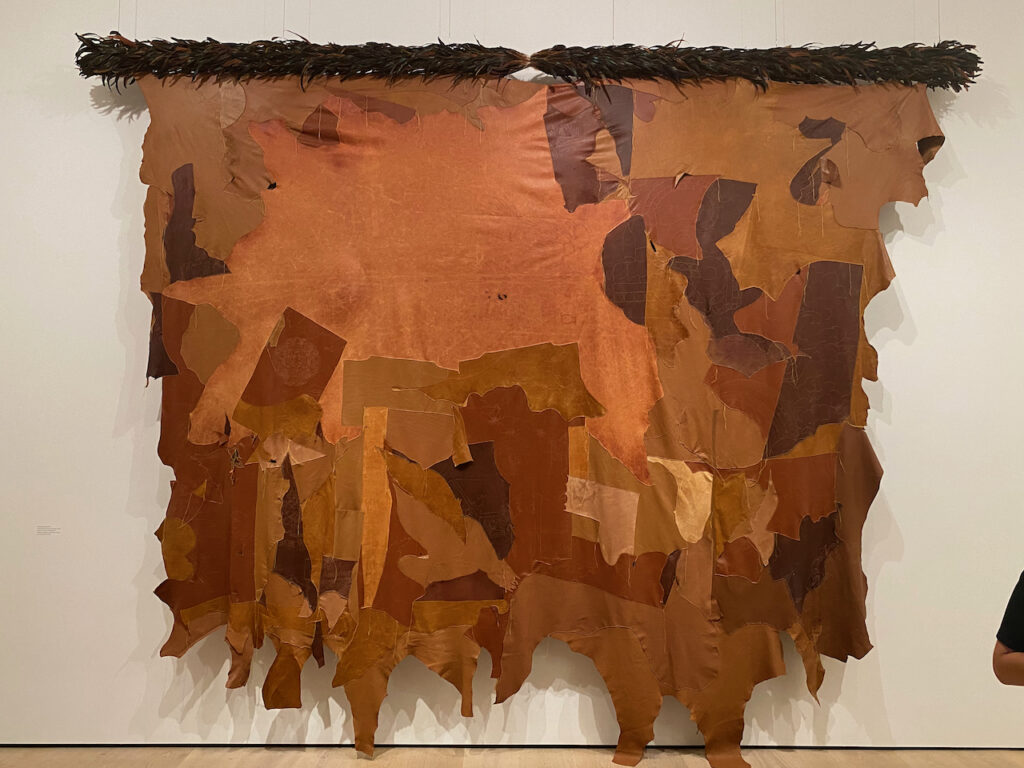
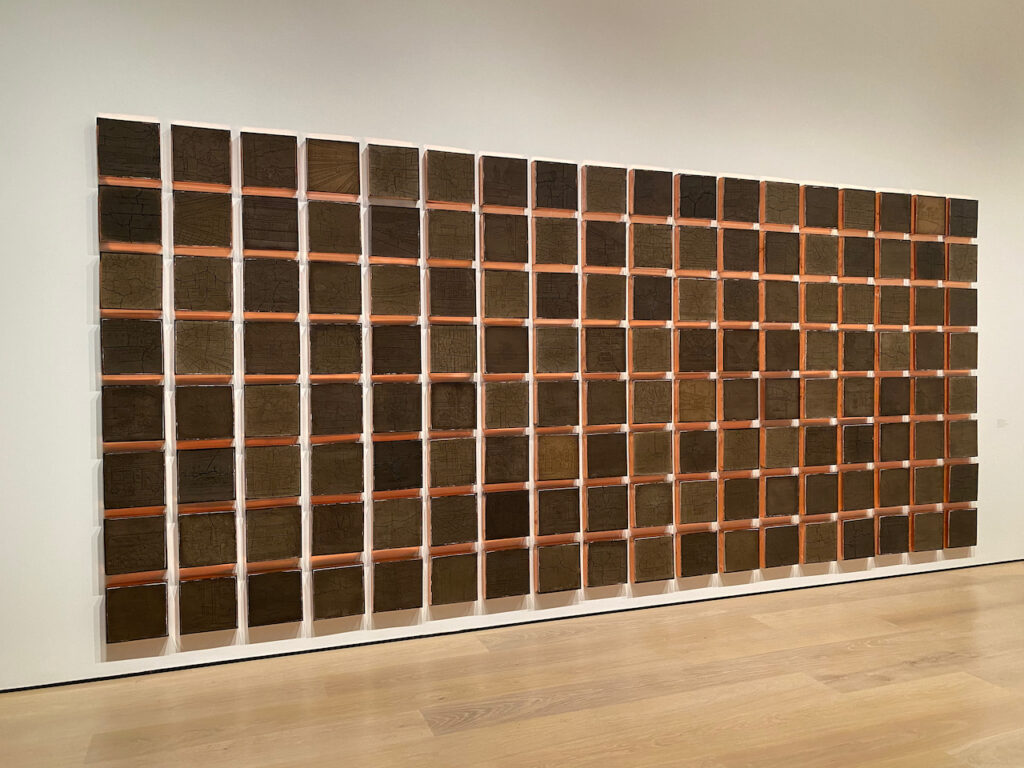
On a recent visit to the Hammer Museum, I had the chance to walk through the Made in LA: 2023: Acts of Living exhibition. This showcase featured the works of 39 local artists and collectives, offering a vivid reflection of the vibrant creative spirit that defines the City of Angels. As I strolled through the first gallery, specific works stood out with their remarkable presence, meticulous craftsmanship, and thought-provoking materials. Teresa Baker’s innovative use of yarn and artificial turf gave life to abstract forms that sparked contemplation about indigenous land authority through remapping. Adjacent to Baker’s creations, the functional design proficiency of Ryan Preciado aroused a sense of 1950s interior decor, emphasizing the intrinsic value of everyday objects in our society. Continuing the exploration led me to Erica Mahinay’s work, where painting, textiles, and sculpture blurred the boundaries between forms, creating a cosmic narrative that resonated with the intricacies of the human body. Jackie Amezquita’s installation of 144 slabs made from masa salt, rain, limestone, and soil sourced from 144 Los Angeles neighborhoods wove a powerful narrative of displacement and migration.

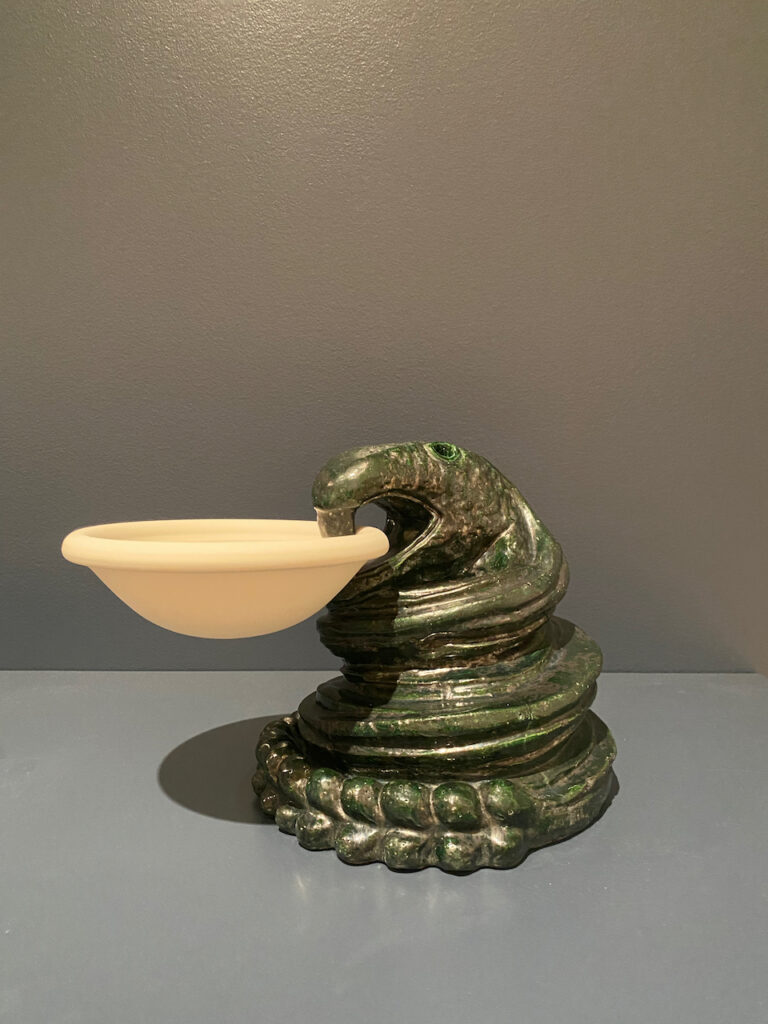
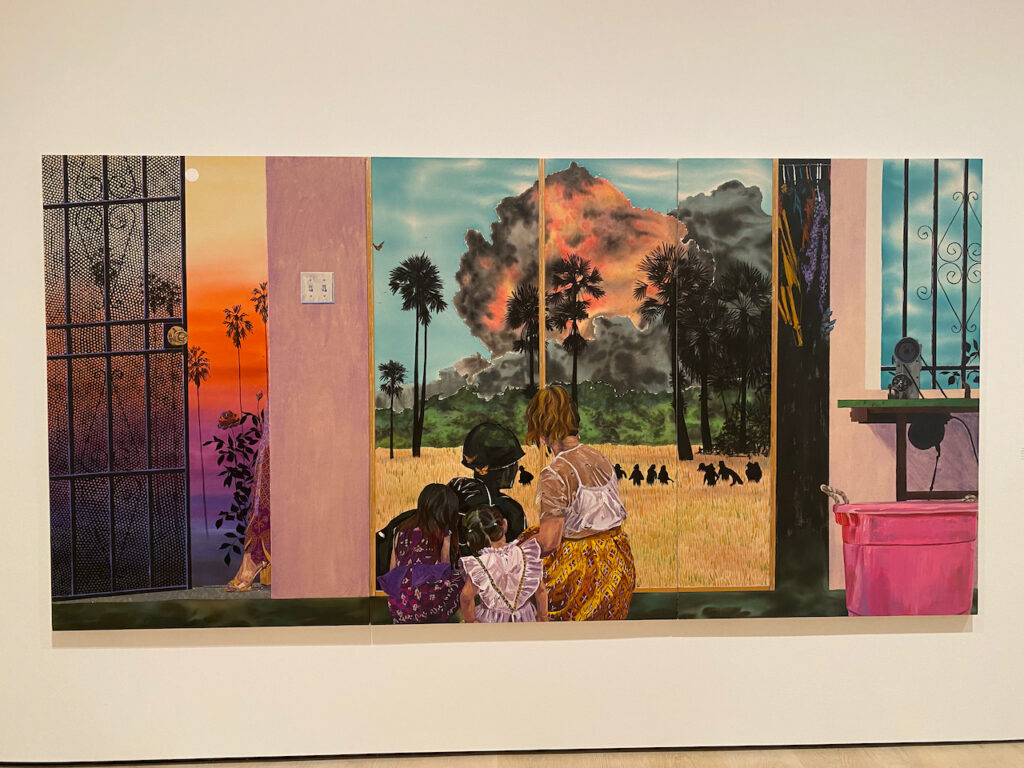
The late Luis Bermudez’s ceramic masterpieces, spanning over four decades, graced the gallery with their sacred symbolism and Mesoamerican iconography, including serpents and vessels. Meanwhile, Esteban Ramon Perez’s work engaged in a compelling dialogue between textile and sculpture, reimagining abstraction and pop culture through the lens of the materialโ€™s history. One of the most poignant moments was Roksana Pirouzmand’s creation, ‘Between Two Windows.’ This exquisite piece delicately captured the essence of long-distance relationships through migration, as one window symbolized her home in the U.S., while the other represented her grandmother’s home in Iran. As I continued through the galleries of the biennial exhibition, I encountered the captivating artworks of Tidawhitney Lek. Lek’s pieces, titled “Relatives and Refuge,” featured two distinct works that seemed to exist in a realm separate from the perception of their subjects. Michael Alvarez, on the other hand, drew deeply from his memories of family, commemoration, and familiarity as the foundation of his displayed artworks. His unique technique of blurring the paintings created a dream-like, ephemeral quality, underscoring the significance of cherished moments and relationships.

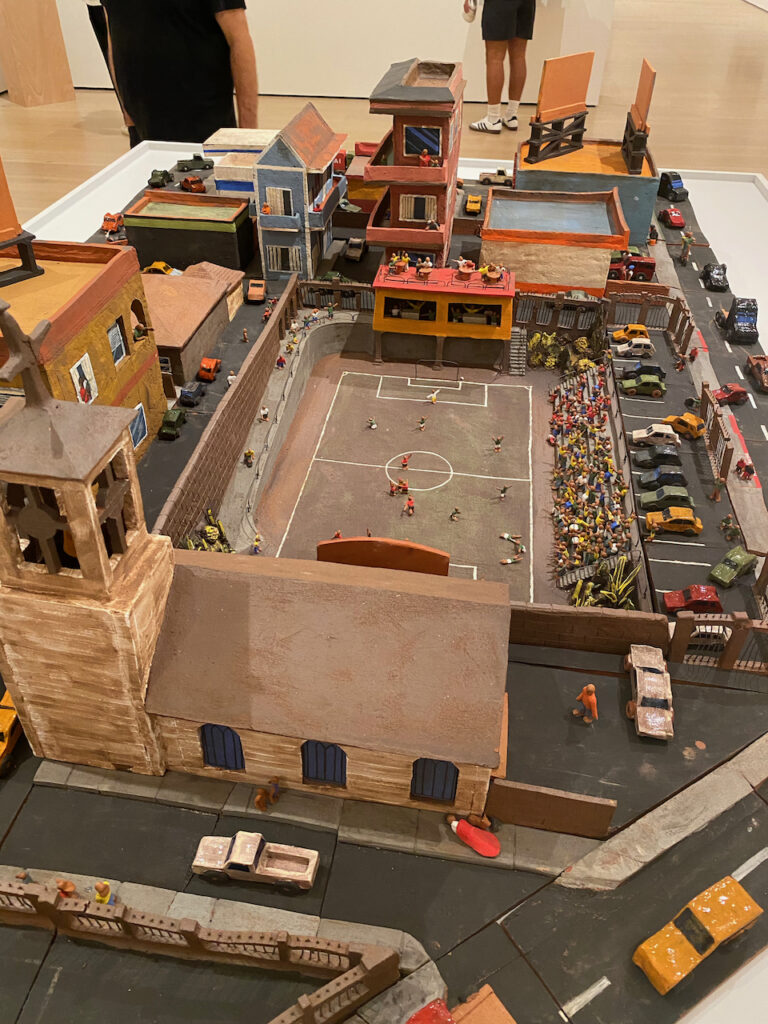
In a different artistic narrative, Joey Terrill’s works conveyed a figurative story akin to comic strips. These figures spoke to the queer community and were crafted during the challenging AIDS crisis of the 80s and 90s. Similar to Alvarez, Terrill used his art to immortalize the locations and individuals who profoundly influenced his life. Christopher Suarez, drawing inspiration from his Southern California upbringing, meticulously recreated a familiar thoroughfare in ceramic form. His tabletop installation featured buildings, automobiles, and sports fields, reminiscent of the style of artist Red Grooms. Paige JiYoung Moon, through her acrylic on wood panel works, offered a commentary on the cityโ€™s modest living spaces and meeting spots. With a fine brush and meticulous precision, Moon’s art reflected the creative adaptability required to thrive in the dynamic environment of Los Angeles.

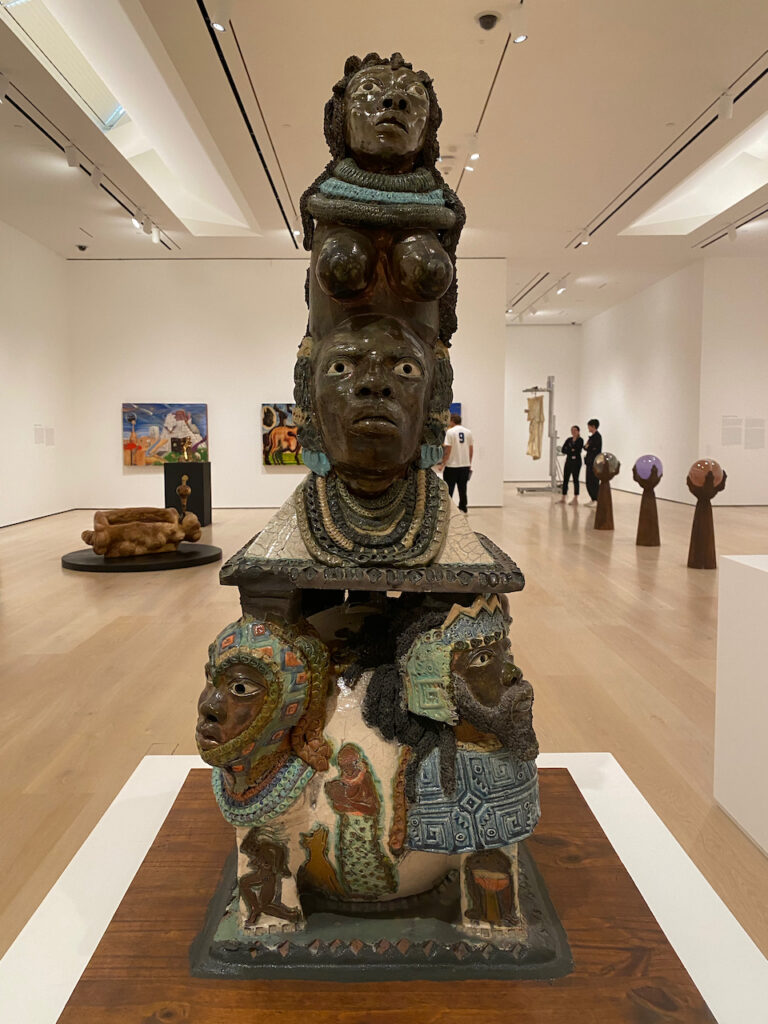
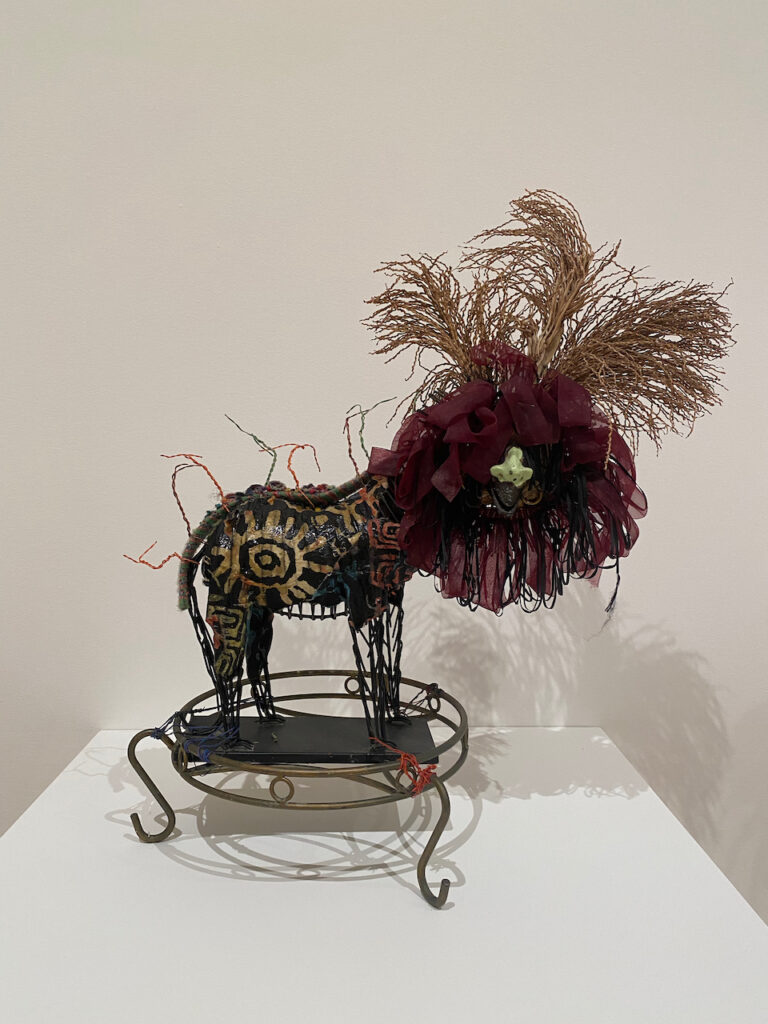
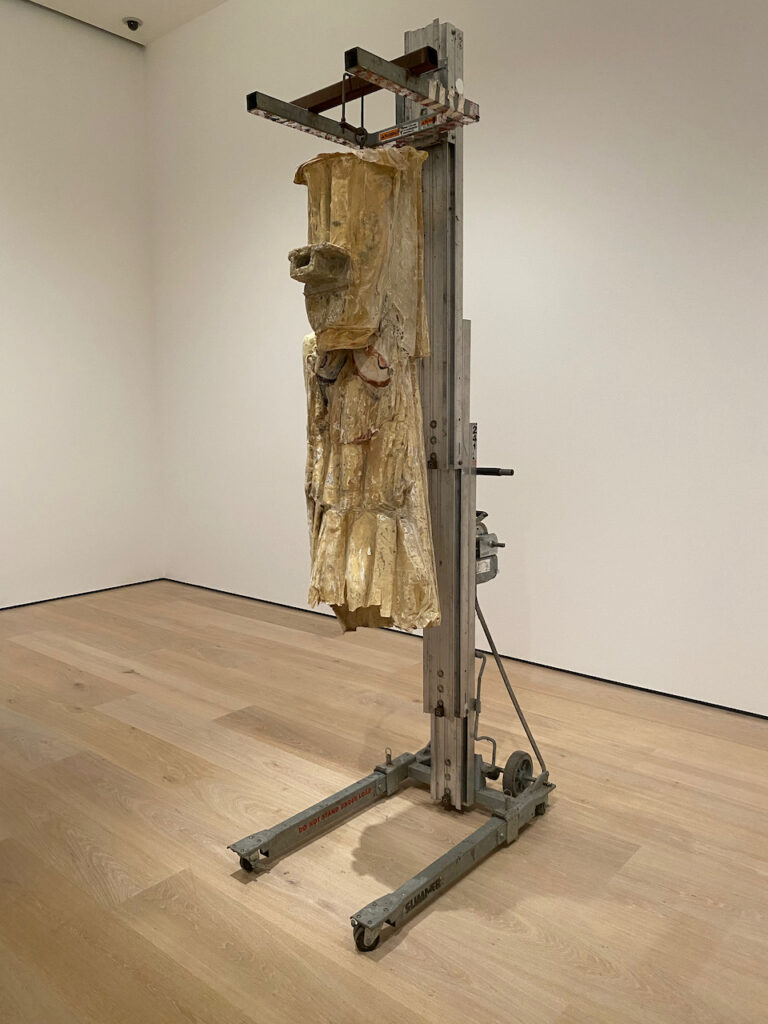
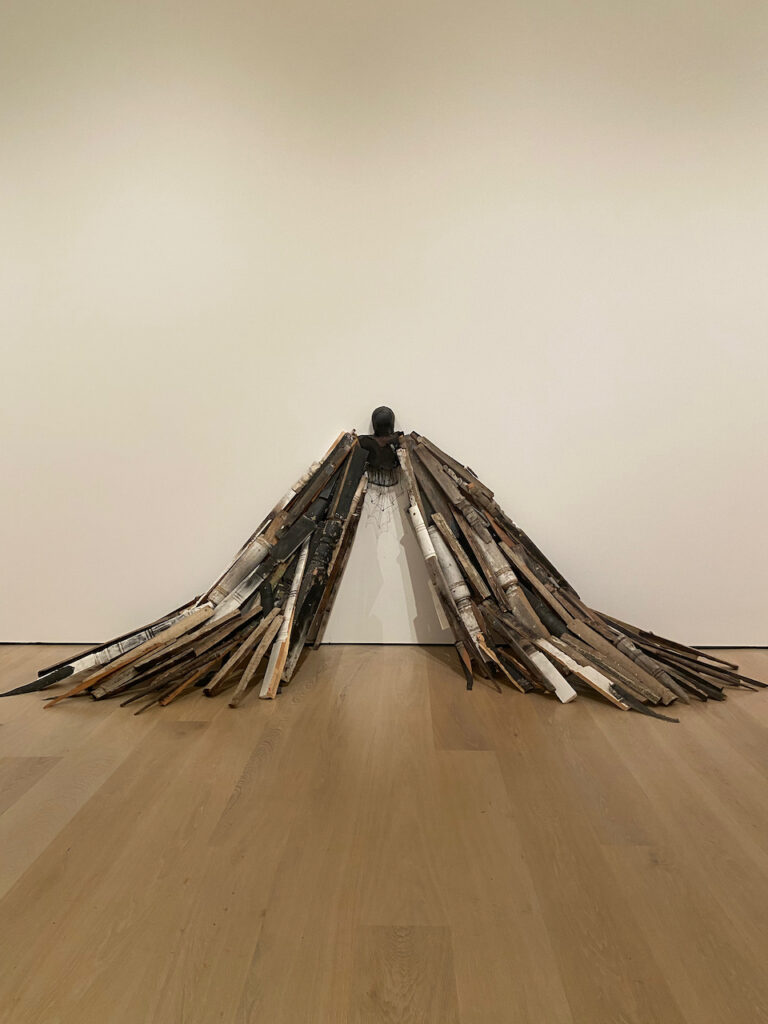
Dan Herschlein added an element of horror to the exhibition with his headless figures, intricately detailed within sculptural paintings. These works invited viewers to assume the role of intruders, presenting multiple perspectives and layers of architectural forms. Akinsanya Kambon employed clay as a vessel to unearth suppressed histories stemming from colonization. His clay plaques recounted stories of revolution, and his ceramic totems depicted past realities, all narrating the experiences of the African Diaspora. Teresa Tolliver contributed twenty sculptures from her “Wild Things” series, each based on the form of a lion. Each sculpture showcased unique attributes, emphasizing individuality within a formal framework. This collection served as a testament to Tolliver’s three-decade career exploring various artistic mediums. Sula Bermรบdez-Silvermanโ€™s work titled ‘Theropodsโ€™ takes inspiration from claw-foot furniture. In Chinese decorative arts tradition, it is standard to see a dragon’s talons clasping an orb, symbolizing notions of strength and security. Through these sculptures, Bermรบdez-Silverman invites us to reflect on the pervasive influence of social doctrines and cultural aspirations in the objects and art that surround us. Chiffon Thomas crafts sculptures and installations that blend elements of abstraction and figuration. Thomas often uses construction materials alongside casts created from the artist’s own body, portraying the human body in fragmented forms, combined with materials that have been broken, giving life to surreal figures.

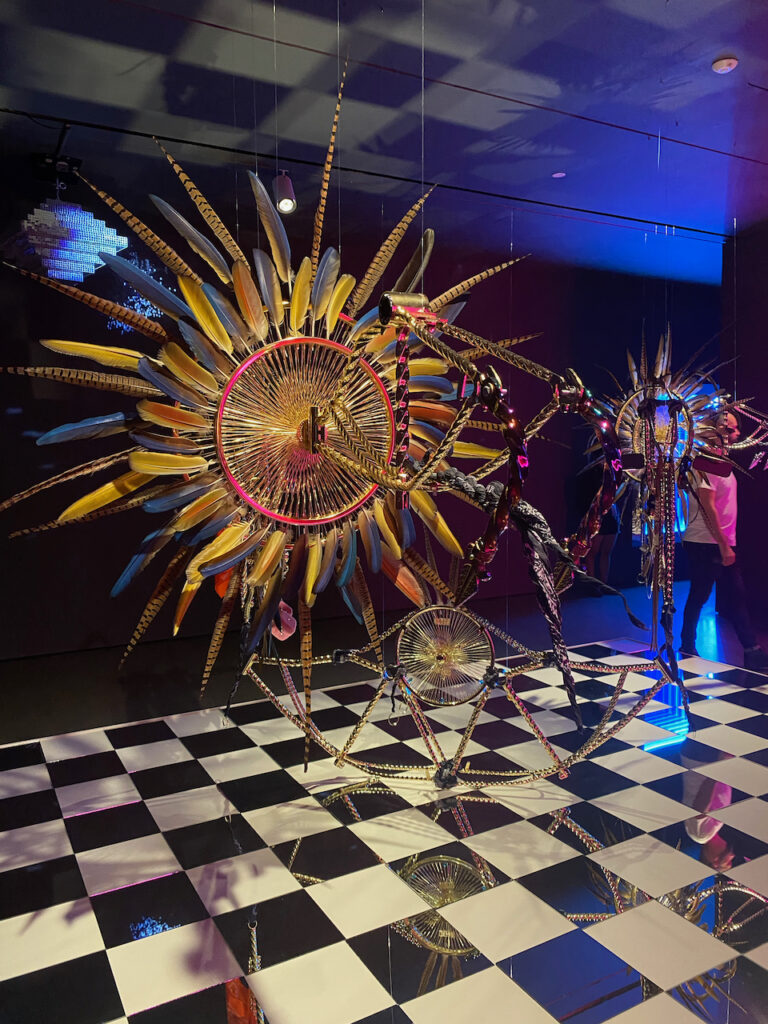
Maria Maea intimately engages with her materials, crafting body-sized sculptures from a diverse array of organic and inorganic elements sourced from her home garden, urban lots, and the historically significant Los Angeles River. The palm, a symbol with deep roots in Samoan craft culture, symbolizes the resilience of those affected by colonization, who have adapted to thrive in challenging new environments. Guadalupe Rosales’ installation features a ceremonial sanctuary with an altar displaying a sculpture of the Mesoamerican deity Quetzalcoatl, created from materials inspired by lowriding and custom car culture. This piece symbolizes the fluidity of identity. Rosales explores the complexities of identity, challenges fixed cultural ideas, and harmoniously blends ancestral wisdom, personal memory, and contemporary experiences in her work. Art Made Between Opposite Sides (AMBOS) was founded in 2016 by artist Tanya Aguiรฑiga to address issues at the US-Mexico border through artistic collaborations. Their project, ‘With our hands we build deitiesโ€™ (2023),’ uses clay hands created with asylum seekers in Tijuana shelters, along with embroidered talismans and personal stories. AMBOS employs craft mediums like textiles and ceramics to shed light on border politics while fostering a co-creative approach. This diverse array of artists and their works provided a rich tapestry of artistic expression, drawing from personal experiences, history, and a profound sense of individuality within the broader creative landscape.

Words by Badir McCleary.